

Underbite Correction: When Surgery Is the Best Option
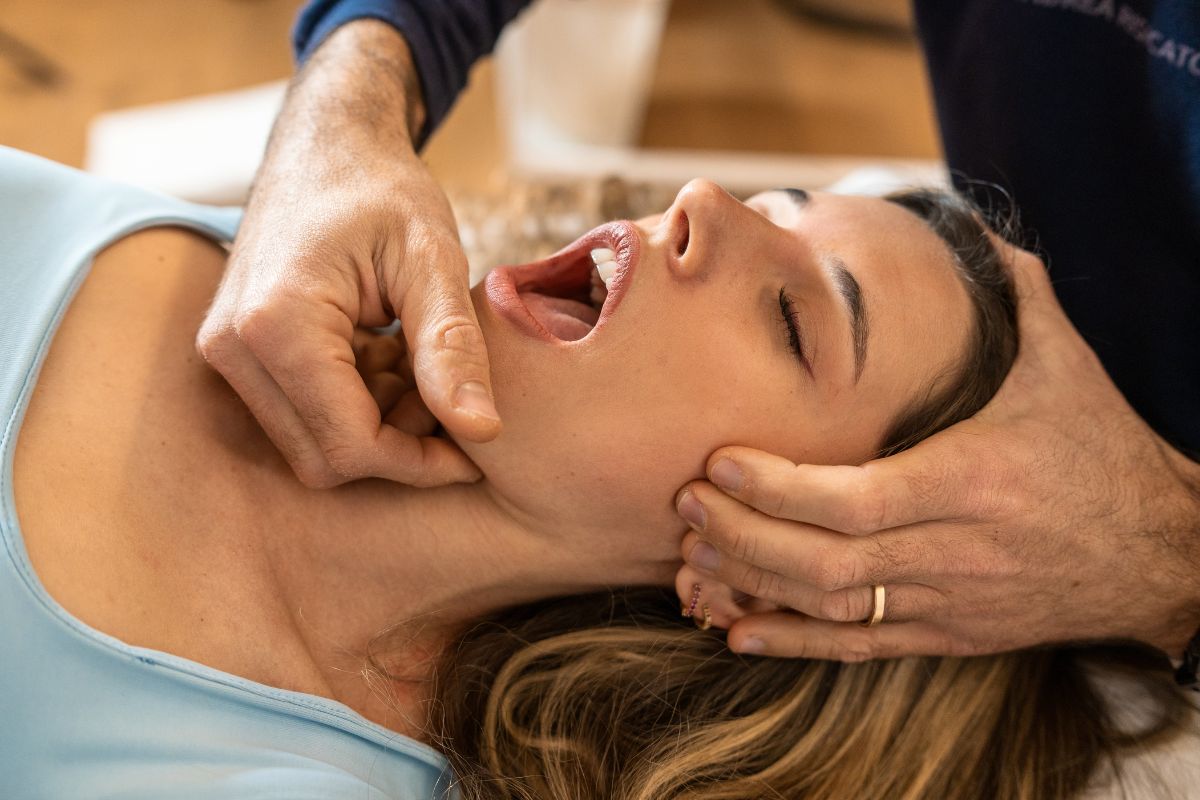
“An underbite may look like a cosmetic issue — but when it affects chewing, speech, sleep, or jaw pain, surgery can be the right choice.”
Many patients search for an orthodontist near me, thinking braces alone will solve their bite concerns. In some cases, that’s true. But when the problem involves the jaw bones themselves — not just the teeth — orthodontic treatment alone may not be enough.
This guide explains when underbite surgery is necessary, how orthodontists and oral surgeons make that decision, which procedures are used, what recovery looks like, potential risks, and next steps in Albuquerque.
In the Albuquerque area, orthodontists and oral and maxillofacial surgeons often collaborate closely to evaluate complex bite problems and create coordinated treatment plans.
What Is an Underbite?
An underbite occurs when the lower teeth sit in front of the upper teeth when the mouth is closed. However, not all underbites are the same.
There are two primary types:
Skeletal Underbite (Mandibular Prognathism)
This occurs when the lower jaw is positioned too far forward relative to the upper jaw. The issue is structural — it involves the bones, not just tooth alignment.
Dental Underbite
In this case, the jaw bones are positioned normally, but the teeth are misaligned in a way that creates a reverse bite.
Why this distinction matters:
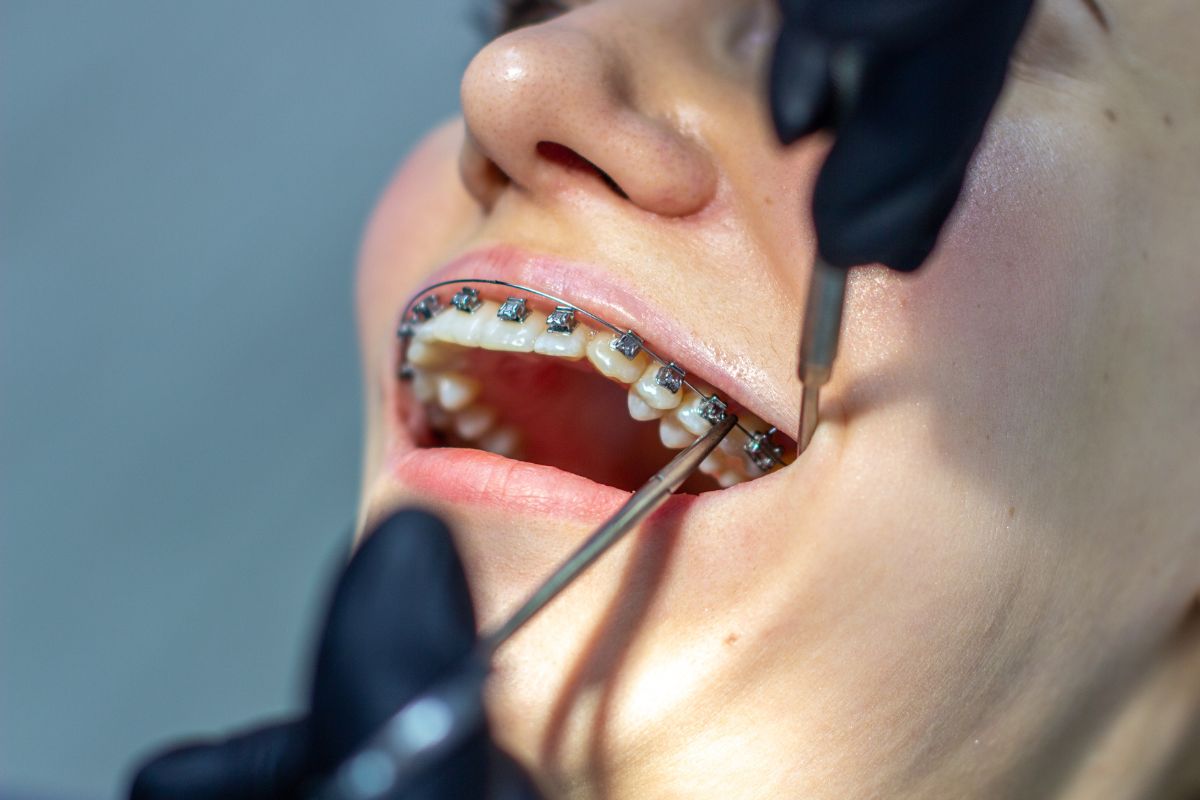
Dental underbites can often be corrected with braces or clear aligners under the care of an orthodontist. Skeletal underbites, particularly in adults whose growth is complete, may require surgical orthodontic correction in addition to orthodontic treatment.
An orthodontist plays a central role in diagnosing which type is present through clinical exam, digital imaging, bite analysis, and collaboration with surgical specialists when needed.
When Is Surgery the Best Option for Underbite Correction?
Orthodontists evaluate specific clinical indicators before recommending surgery.
Confirmed Skeletal Discrepancy
If imaging, such as CBCT scans and panoramic X-rays, show that the jaw bones are misaligned beyond what tooth movement alone can correct, surgery may be necessary. If braces would only “camouflage” the issue without establishing a functional bite, surgical correction is often the more stable long-term solution.
Severe Functional Problems
Surgery may be indicated when patients experience:
- Difficulty chewing or biting
- Speech impairments
- Excessive or uneven tooth wear
- Chronic jaw strain
If orthodontic alignment alone cannot restore proper function, jaw repositioning may be required.
Persistent TMJ Symptoms
When temporomandibular joint (TMJ) symptoms are clearly related to jaw misalignment and have not improved with conservative treatment (such as splints or physical therapy), surgical correction may be considered.
Airway and Sleep Apnea Concerns
In some patients, jaw position contributes to obstructive sleep apnea. When imaging and sleep studies confirm airway narrowing linked to jaw structure, surgical repositioning can improve airflow. Coordination with ENT specialists and sleep medicine providers is typically part of the evaluation.
Significant Facial Balance Concerns
Some patients are dissatisfied with their facial profile due to a pronounced lower jaw. If the imbalance is skeletal, orthodontics alone may not achieve the desired harmony.
Skeletal Maturity
Corrective jaw surgery is typically performed after jaw growth is complete — usually in the late teens or adulthood.
Non-Surgical Alternatives
Not every underbite requires surgery.
Orthodontics Alone
Mild dental underbites may respond well to braces or aligners.
Growth Modification
In children and adolescents, functional appliances can guide jaw growth while development is ongoing.
Orthodontic Camouflage
In some adult cases, orthodontists may use extractions and strategic tooth movement to mask skeletal discrepancies when patients decline surgery.
However, these approaches cannot reposition adult jawbones. An orthodontist will carefully explain the limits of non-surgical options.
What Surgical Options Treat Underbite?
When surgery is indicated, oral and maxillofacial surgeons perform procedures in coordination with orthodontists.
Mandibular Setback (BSSO)
The lower jaw is repositioned backward to align with the upper jaw. This is common in true skeletal underbite cases.
Maxillary Advancement (Le Fort I Osteotomy)
In some cases, the upper jaw is moved forward rather than pushing the lower jaw back.
Two-Jaw Surgery (Bimaxillary Osteotomy)
Both jaws are repositioned to optimize function and facial balance.
Genioplasty
Chin repositioning may be performed to enhance facial harmony.
| Procedure | Primary Goal | Common Recovery Notes |
|---|---|---|
| Mandibular Setback | Move the upper jaw forward | Swelling, temporary numbness |
| Maxillary Advancement | Move upper jaw forward | Nasal congestion, swelling |
| Two-Jaw Surgery | Comprehensive alignment | Longer recovery |
| Genioplasty | Chin refinement | Mild swelling |
Orthodontists coordinate closely before and after surgery to ensure proper bite alignment.
The Patient Journey & Timeline
Consultation & Diagnosis (Weeks)
Includes exam, photographs, digital scans, CBCT imaging, and possibly a sleep study.
Pre-Surgical Orthodontics (6–18 Months)
Braces align teeth into positions that allow optimal jaw repositioning.
Surgery Day (1–4 Hours)
Performed under general anesthesia in a hospital or surgical center. Plates and screws stabilize the repositioned jaws.
Immediate Recovery (1–3 Weeks)
Swelling, soft diet, limited activity.
Post-Op Orthodontics (3–6+ Months)
Fine-tuning bite alignment.
Final Healing (6–12 Months)
Swelling resolves fully, and final results stabilize.
Risks, Benefits & Expected Outcomes
Benefits
- Improved chewing and speech
- Better bite function
- Enhanced facial balance
- Possible airway improvement
- Long-term stability
Risks
- Infection
- Bleeding
- Temporary or permanent numbness
- Relapse
- Anesthesia risks
Most patients experience meaningful improvement in both function and aesthetics when treated by experienced teams.
Who Is a Good Candidate?
Good candidates include:
- Adults with confirmed skeletal underbite
- Patients who have completed growth
- Individuals are healthy enough for surgery
- Patients with realistic expectations
Not ideal candidates:
- Heavy smokers are unwilling to quit
- Individuals with uncontrolled medical conditions
- Those unwilling to undergo orthodontics
- Patients whose goals can be met without surgery
An orthodontist near me search should lead to providers who perform thorough evaluations before recommending surgery.
How Albuquerque Teams Work Together
In Albuquerque, multidisciplinary care is standard for complex bite cases.
Orthodontists collaborate with oral surgeons, sleep medicine specialists, and anesthesia teams. Centers such as Oral Surgery Center of Albuquerque, Sandia Oral Surgery, and Cottonwood facilities frequently coordinate with orthodontic practices like ABQ Orthodontics to create seamless treatment plans.
This team approach ensures safety, precision, and comprehensive care.
If your underbite affects your ability to chew, speak, or sleep comfortably, the next step is a comprehensive evaluation.
Schedule a consultation with ABQ Orthodontics. Their team will coordinate imaging, orthodontic analysis, and surgical consultation when needed. You’ll receive a clear, personalized roadmap outlining whether braces alone will work — or if surgery offers the best long-term outcome.
Early evaluation helps you understand all available options. A confident, functional smile begins with the right guidance.
FAQs
Q. At what age can underbite surgery be done?
A: After jaw growth is complete, typically in the late teens or adulthood.
Q. Will my face change?
A: Yes. Surgery repositions the jaw bones, improving facial balance.
Q. Is recovery painful?
A: Discomfort is managed with medication. Swelling and temporary numbness are common but typically improve over time.
Q. Can surgery fix sleep apnea?
A: In selected patients, jaw advancement can improve airway space. A sleep study is required to determine candidacy.

New Patients and Emergency Appointments Welcome
Albuquerque East Office
(505) 458-0132
Albuquerque West Office
(505) 451-7349