

The “Emergency Kit”: What Every Albuquerque Resident Needs in Their Bag for On-the-Go Braces Fixes
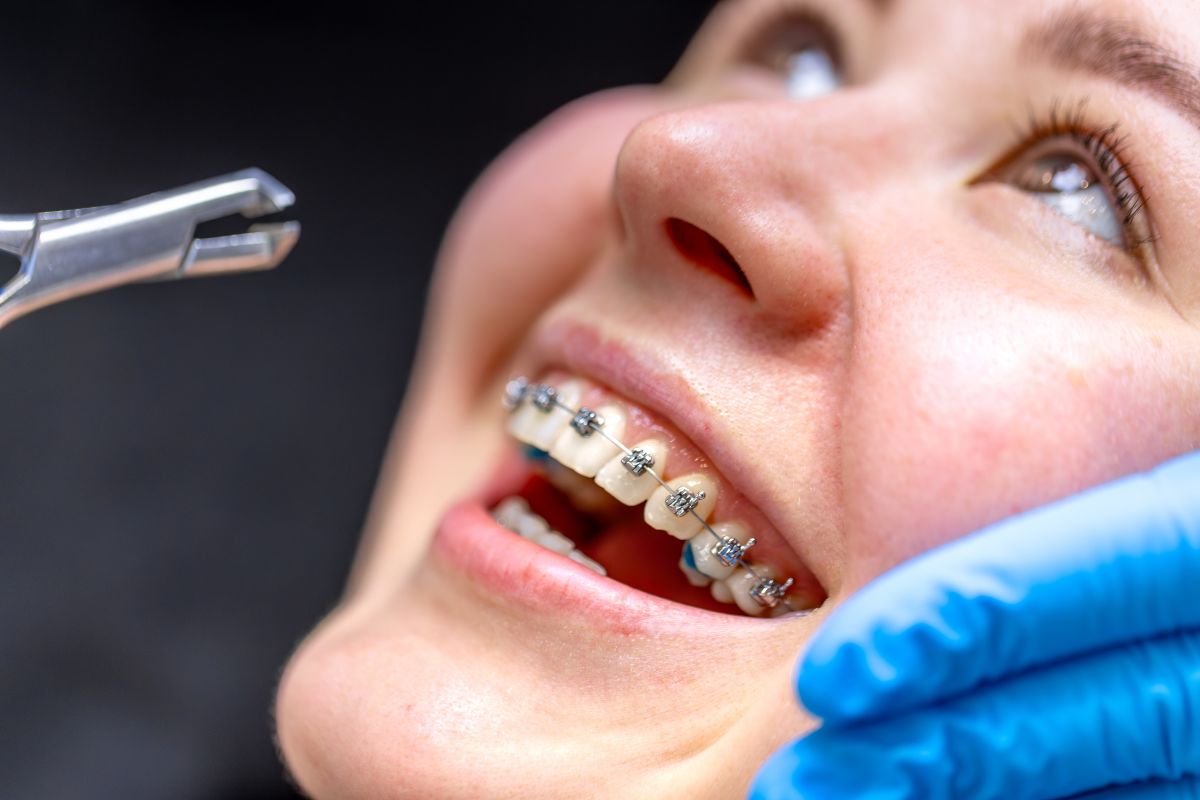
Life in Albuquerque is active. Between school, work, sports, hiking the Sandias, and weekend events, you’re rarely sitting still. If you or your child wears braces, being prepared for small, unexpected issues can make a big difference.
As an experienced orthodontist, I can confidently say this: most braces-related problems aren’t true emergencies. But they can be uncomfortable, inconvenient, and stressful — especially when you’re away from home.
That’s why every patient with traditional metal braces or other orthodontic braces should carry a small “on-the-go” emergency kit.
This guide will walk you through:
- Why do braces issues happen
- What to keep in your orthodontic emergency kit
- What you can fix yourself
- When to contact an orthodontist near me
- How to prevent problems in the first place
Let’s make wearing dental braces easier — wherever life takes you.
Why Braces Emergencies Happen (And Why Most Are Minor)
Whether you have traditional braces, newer orthodontic braces, or a full traditional brace setup with wires and brackets, your teeth are constantly shifting. That’s the goal — but it also means your mouth is adjusting.
Common minor issues include:
- Poking wires
- Loose brackets
- Irritated cheeks or lips
- Broken elastics
- Food lodged around brackets
With metal braces, small adjustments in wire tension can sometimes cause temporary discomfort. This is completely normal and often manageable at home.
The key is knowing what to do — and having the right tools with you.
Your Albuquerque Braces Emergency Kit Checklist
A braces emergency kit doesn’t need to be big. A small pouch in your backpack, purse, or sports bag is enough.
Here’s what every patient with traditional braces should carry.
Orthodontic Wax
Orthodontic wax is the most important item in your kit.
Why You Need It:
- Covers poking wires
- Protects irritated cheeks
- Prevents sores from brackets
How to Use It:
- Dry the area with a tissue.
- Roll a small piece of wax.
- Press it over the bracket or wire.
For patients with metal braces, wax is a lifesaver during the first few weeks or after adjustments.
Small Travel Mirror
You can’t fix what you can’t see.
A small mirror helps you:
- Check for loose brackets
- See where a wire is poking
- Confirm wax placement
This is especially helpful for teens at school who may not have immediate access to a bathroom mirror.
Travel Toothbrush & Toothpaste
Food trapped in dental braces can:
- Cause discomfort
- Lead to bad breath
- Increase risk of cavities
Brushing after meals is essential — especially with traditional braces, where brackets create more places for food to hide.
Choose:
- Soft-bristled brush
- Fluoride toothpaste
Good hygiene prevents many unnecessary visits to your orthodontist.
Floss Threaders or Orthodontic Picks
Flossing with braces takes extra effort.
Threaders or ortho picks:
- Help remove trapped food
- Reduce gum inflammation
- Prevent plaque buildup
Patients often search for “traditional braces near me” when they have gum irritation — but consistent flossing prevents most of these concerns.
Tweezers
A clean pair of tweezers can help you:
- Reposition a loose elastic
- Carefully adjust a slightly displaced wire
- Remove debris
Important: Only attempt minor adjustments. Never force anything.
Nail Clippers
Sometimes, a wire shifts and extends beyond the last bracket.
If it’s causing discomfort:
- Use sterilized nail clippers
- Clip only the exposed end
- Call your orthodontist near me afterward
If you’re unsure, don’t attempt this. Cover it with wax and schedule an appointment.
Over-the-Counter Pain Relief
After adjustments to metal braces, mild soreness is common.
You may take:
- Ibuprofen
- Acetaminophen
Always follow dosage instructions.
Pain that feels sharp, severe, or persistent is a sign to contact your orthodontist.
Your Orthodontist’s Phone Number
This is non-negotiable.
Save your provider’s contact under:
“Braces Emergency”
If you ever search “orthodontist near me” in a moment of panic, you’ll already have your trusted office number ready.
What You Can Fix at Home — And When to Call an Orthodontist
Knowing the difference between minor discomfort and a real problem builds confidence and trust.
Here’s a simple breakdown:
Manage at Home
- Mild soreness after adjustment
- Poking wire (use wax)
- Minor cheek irritation
- Food stuck between brackets
Call Your Orthodontist
- The loose bracket is still attached to the wire
- Broken wire
- Severe pain
- Swelling or infection
- Trauma to the mouth
Remember: most issues with traditional braces are manageable — but when in doubt, call your provider.
Responsible orthodontic care means never guessing.
Why Being Prepared Matters in Albuquerque
Living in Albuquerque means:
- Outdoor activities
- School sports
- Long commutes
- Busy schedules
If a bracket loosens during a soccer game or a wire pokes during a hike, having your kit avoids discomfort for hours.
Patients wearing metal tooth braces often experience issues at the most inconvenient times. Preparation reduces stress and prevents further damage.
How to Prevent Braces Emergencies in the First Place
While your emergency kit is essential, prevention is even better.
Here’s how to protect your orthodontic braces:
1. Avoid Hard & Sticky Foods
Stay away from:
- Caramel
- Popcorn
- Hard candy
- Ice
- Chewy gum
These are common causes of broken traditional braces.
2. Wear a Mouthguard for Sports
If you play:
- Football
- Basketball
- Soccer
- Baseball
Always use an orthodontic mouthguard.
It protects:
- Brackets
- Teeth
- Lips
3. Follow Elastic Instructions
Rubber bands are critical in treatment with metal braces.
Not wearing them as directed can:
- Prolong treatment
- Increase discomfort
- Cause uneven pressure
4. Maintain Excellent Oral Hygiene
With dental braces, plaque builds up faster.
Brush:
- After every meal
- Before bed
- At least twice daily
Floss daily.
Regular hygiene reduces emergencies caused by gum inflammation.
5. Keep All Adjustment Appointments
Skipping appointments:
- Delays progress
- Causes wire misalignment
- Increases risk of irritation
Consistency leads to smoother treatment.
Confidence Comes from Preparation
Wearing braces is an investment in your long-term smile and oral health. Whether you have metal braces, full metal teeth braces, or another form of orthodontic braces, small issues are part of the journey.
But they don’t have to disrupt your day.
A simple emergency kit:
- Reduces stress
- Prevents discomfort
- Keeps treatment on track
- Empowers you with confidence
If you ever find yourself searching for a “traditional braces near me” solution or urgently typing “orthodontist near me” into your phone, remember — your trusted orthodontic team should always be your first call.
Need Guidance or Have a Concern With Your Braces?
At ABQ Orthodontics, we’re committed to making every stage of your orthodontic journey smooth and stress-free. Whether you’re starting treatment with traditional braces, adjusting to metal braces, or simply need reassurance about a minor issue, our team is here to help.
Call us at (505) 458-0132 to speak with our team about any concerns about braces.
Your confident, healthy smile is worth it — and we’re here to support you every step of the way.
FAQs
Q. Are braces emergencies dangerous?
A: Most are not. Issues with traditional braces are typically minor and manageable with wax or simple care.
Q. Can I cut a poking wire at home?
A: Only if it’s clearly extended and causing discomfort — and only with sterilized tools. Always notify your orthodontist afterward.
Q. What if my bracket falls off?
A: Leave it attached to the wire if possible. Call your provider for guidance.
Q. Is soreness normal after adjustments?
A: Yes. Mild discomfort for 2–3 days after tightening metal braces is common.
Q. How long does orthodontic treatment usually take?
A: Treatment time varies but typically ranges from 12–24 months, depending on the case and whether you’re using traditional braces or another system.

New Patients and Emergency Appointments Welcome
Albuquerque East Office
(505) 458-0132
Albuquerque West Office
(505) 451-7349