

Unlocking a Straighter Smile: A Guide to Invisalign Treatment
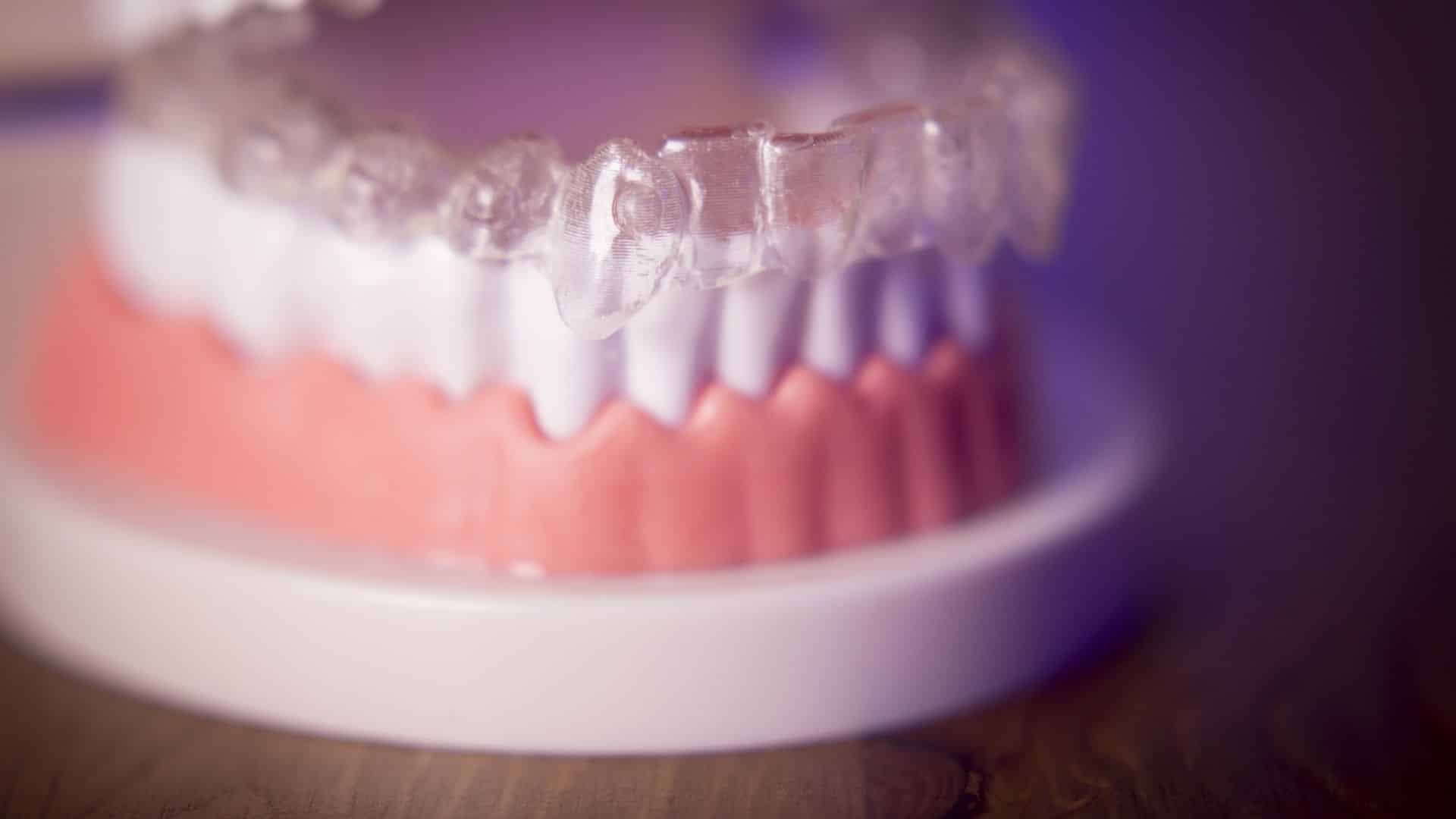
A confident smile can light up a room, but misaligned teeth can sometimes hold people back from expressing themselves fully. Traditional braces, while effective, can be noticeable and uncomfortable. Invisalign offers a compelling alternative, using a series of clear, removable aligners to gradually straighten your teeth.
This blog delves into the world of Invisalign, exploring how it works, its advantages and disadvantages, and how to determine if it’s the right choice for achieving your dream smile.
Invisalign Treatment: Discreet Aligners for a Straighter Smile
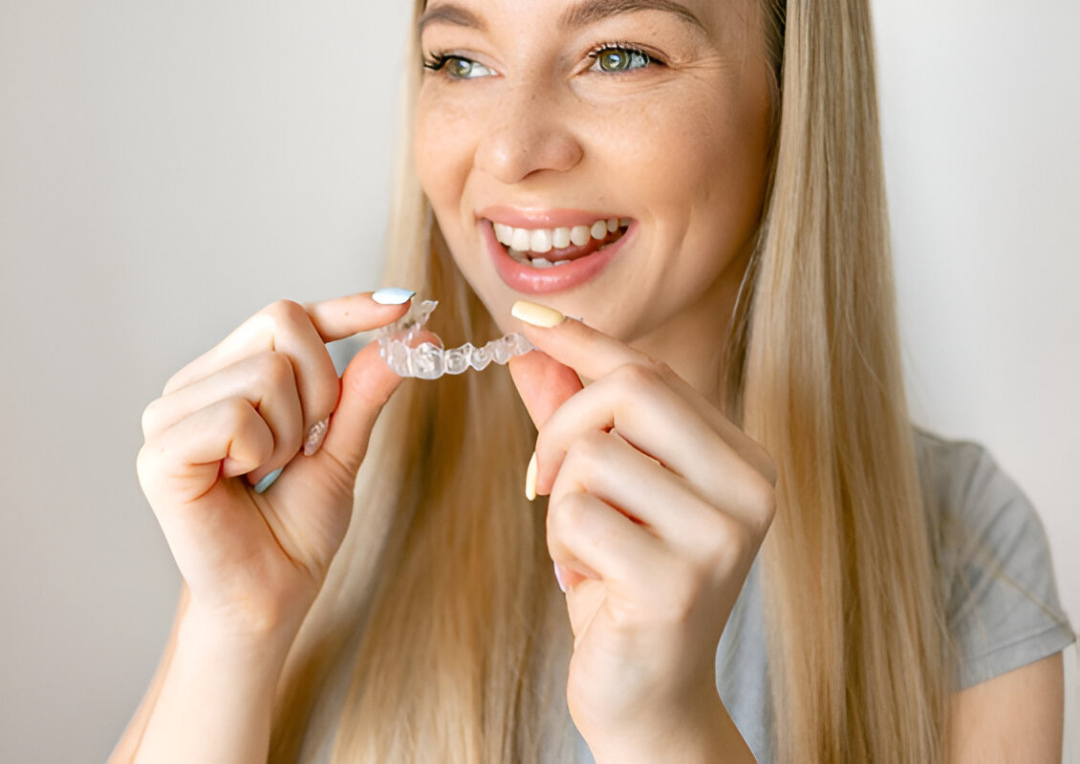
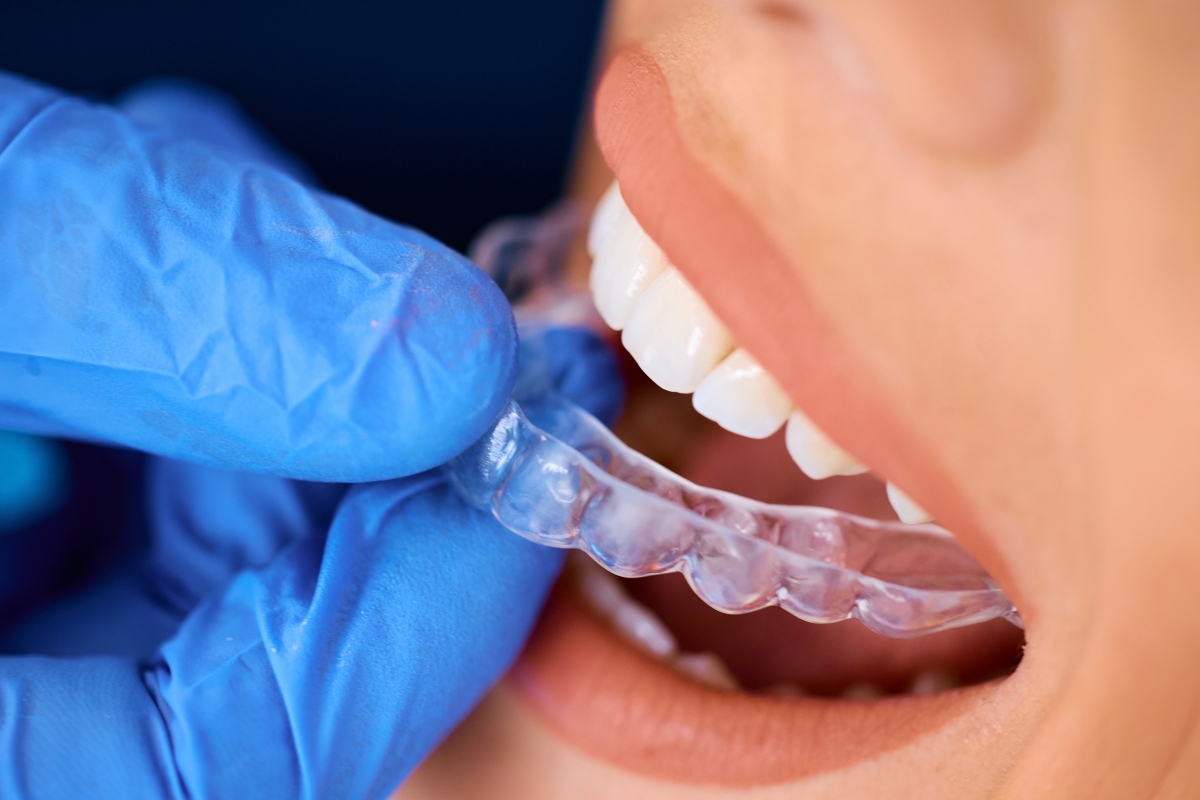
Invisalign is a teeth straightening method that utilizes a series of custom-made, clear plastic aligners. Unlike traditional braces with metal brackets and wires, Invisalign uses gentle, continuous pressure to subtly shift your teeth into the desired position.
The Invisalign Process
The Invisalign journey typically involves these steps:
- Consultation: An initial consultation with an orthodontist is crucial. They will assess your teeth, discuss your goals, and determine if Invisalign is suitable for your case.
- Digital Scans and Treatment Plan: Through digital scans or X-rays, a 3D model of your teeth is created. This allows the orthodontist to design a personalized treatment plan outlining the specific movements needed for your teeth.
- Custom Aligners: A series of clear, custom-made aligners will be fabricated based on your treatment plan. You’ll wear each aligner pair for a prescribed period (typically one to two weeks) before switching to the next pair in the sequence.
- Regular Monitoring: Regular appointments with your orthodontist are essential to track your progress, ensure proper aligner fit, and address any concerns.
- Retention: Once your treatment is complete, a retainer will be needed to maintain your new smile.
The Benefits of Invisalign Treatment
Invisalign offers several advantages over traditional braces:
- Discreet Appearance: The clear aligners are nearly invisible, making them a much more aesthetically pleasing option for adults and teenagers who may feel self-conscious about traditional braces.
- Comfort: Free of metal brackets and wires, Invisalign aligners are generally more comfortable to wear compared to braces.
- Removable Aligners: Unlike braces, Invisalign aligners can be removed for eating, drinking (except for water), brushing, and flossing, promoting better oral hygiene.
- Dietary Freedom: You won’t have to restrict your diet due to concerns about damaging brackets or wires.
- Fewer Appointments: Invisalign may require fewer orthodontist visits compared to braces.
Things to Consider with Invisalign Treatment
While a great option for many, Invisalign isn’t a one-size-fits-all solution. Here are some factors to consider:
- Treatment Time: Treatment times with Invisalign can vary depending on the complexity of your case, but generally may take longer than traditional braces.
- Discipline Required: The success of Invisalign treatment hinges on wearing the aligners for the prescribed time each day. Skipping or not wearing them as directed can significantly impact results.
Is Invisalign Right for You?
Consulting with a qualified orthodontist is the best way to determine if Invisalign is the right choice for you. They can assess your individual needs, discuss the treatment process, address any concerns, and provide a cost estimate. Invisalign can be a transformational treatment for achieving a straighter smile and boosting your confidence.

New Patients and Emergency Appointments Welcome
Albuquerque East Office
(505) 458-0132
Albuquerque West Office
(505) 451-7349