

What Are Invisalign Attachments and Why Do You Need Them?
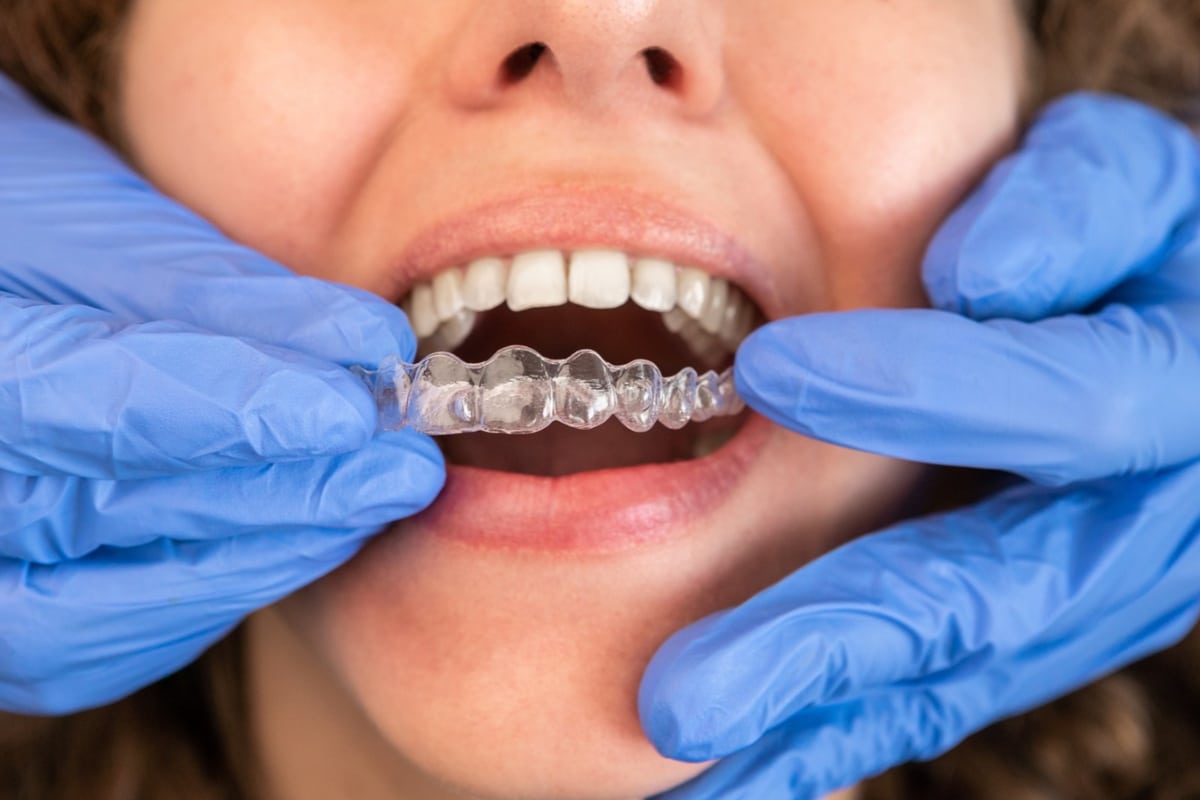
Invisalign treatment offers a discreet way to straighten teeth without traditional brackets and wires. However, some patients notice small, tooth-colored bumps on their teeth after starting treatment. These bumps are called Invisalign attachments, and they play an important role in certain orthodontic movements.
If you are considering clear aligners, you may wonder why these attachments are necessary, whether they are noticeable, and how they affect your treatment.
At ABQ Orthodontics, we help patients in Albuquerque understand the different components of their orthodontic treatment. Knowing how Invisalign attachments work can help you feel more prepared and confident throughout the process.
What Are Invisalign Attachments And Their Purpose?
Invisalign attachments are small, tooth-colored composite resin shapes bonded to selected teeth to help clear aligners apply controlled orthodontic forces. Although Invisalign trays fit closely around your teeth, their smooth surfaces may not provide enough grip for certain tooth movements.
Attachments create additional contact points that help the aligners guide teeth more effectively. These small shapes are designed according to your individual treatment plan. They may vary in size, placement, and design depending on which teeth need additional movement.
Not every Invisalign patient requires attachments. Their use depends on the complexity and direction of the planned tooth movements.
Why Invisalign Treatment Sometimes Requires Attachments
Clear aligners move teeth by applying carefully planned forces. Each aligner typically produces an incremental change in tooth position. However, some movements are mechanically more challenging than others.
For example, rotating a rounded tooth may require more precise control than moving a tooth slightly forward. Invisalign attachments help create that additional control.
Helping Rotate Teeth Into Position
Some teeth are difficult to rotate using aligner pressure alone. Canines and premolars can present particular challenges because of their shapes.
Attachments provide contact surfaces that help aligners apply rotational forces. The precise design depends on the tooth and movement required.
Supporting Vertical Tooth Movement
Certain teeth need to move upward or downward relative to neighboring teeth. These movements, known as intrusion and extrusion, require carefully directed forces.
Attachments may improve the aligner’s ability to produce these movements. However, the predictability of tooth movement varies, and additional adjustments may still be necessary.
Improving Control During Root Movement
Orthodontic treatment must consider the position of the entire tooth, including its root. Some corrections require more than tipping the visible crown.
Attachments can support movements involving changes in tooth angulation or root position. We assess these requirements during treatment planning.
Supporting Complex Alignment Corrections
Patients with crowding, spacing, or certain bite problems may need several different movements during treatment.
Attachments allow the orthodontist to design a more detailed force system. However, attachments alone do not make every orthodontic problem suitable for Invisalign.
How Invisalign Attachments Are Applied
Getting Invisalign attachments is generally a straightforward in-office procedure. We first identify the teeth that need attachments based on your treatment plan.
The placement process typically includes several steps.
- Preparing the teeth: We clean and prepare the tooth surfaces for bonding.
- Using a placement template: A specially designed template helps position the attachments.
- Applying composite material: Tooth-colored dental resin forms the small shapes.
- Hardening the material: A curing light sets the composite.
- Checking placement: We remove excess material and verify the attachment positions.
The process does not normally require drilling into healthy tooth structure. Some patients notice a slightly rough texture afterward. This sensation usually becomes less noticeable with time. We explain how to care for your teeth and aligners before you leave your appointment.
Do Invisalign Attachments Hurt During Treatment?
The attachment placement procedure itself should not cause significant pain. Because the material bonds to the outer tooth surface, local anesthesia is generally unnecessary.
You may notice increased pressure when placing an aligner over newly attached teeth. This happens because the aligner engages the attachment surfaces to produce the prescribed movement.
Temporary tenderness can also occur after changing aligners. However, sharp pain, persistent discomfort, or a tray that cannot seat properly requires professional attention. We encourage patients to contact our office when something feels unusual.
Are Invisalign Attachments Easy To Notice?
Attachments are typically made from composite resin selected to resemble your natural tooth color. This makes them less noticeable than traditional metal brackets. However, they are not completely invisible.
Their appearance depends on several factors:
- The number of attachments
- Their size and shape
- Their location on the teeth
- Your natural tooth color
- Lighting and viewing distance
Attachments placed on front teeth may be more visible than those on back teeth. Despite this, many patients still appreciate the relatively discreet appearance of Invisalign treatment. We discuss cosmetic expectations before treatment so patients understand what their aligners may look like.
Can Attachments Become Stained Or Discolored?
Composite attachments can sometimes develop surface stains. Coffee, tea, tobacco, and strongly pigmented foods may contribute to discoloration.
Maintaining regular brushing and professional dental cleanings can help reduce surface buildup. Patients should also remove their aligners when drinking beverages other than plain water unless their orthodontist gives different instructions.
Hot drinks can distort aligner material, while sugary and acidic beverages trapped beneath trays may increase dental health risks.
Use a soft-bristled toothbrush and fluoride toothpaste to clean your teeth. Avoid abrasive cleaning methods intended to scrape or polish attachment material at home. If an attachment becomes noticeably discolored, ask us whether professional cleaning or replacement is appropriate.
What Happens If An Invisalign Attachment Falls Off?
Although attachments are securely bonded, one can occasionally become loose or detach. You may notice a missing bump or find that your aligner fits differently.
If this happens, contact our orthodontic office. We will determine whether the attachment should be replaced immediately or during your next scheduled appointment.
The decision depends on which attachment is missing and the movement occurring at that stage. Do not attempt to reattach it with household glue or another adhesive.
Continue following your existing aligner instructions unless we advise otherwise. An attachment problem does not always mean your entire treatment must restart. However, prompt communication can help prevent avoidable interruptions.
How Long Do Invisalign Attachments Stay On?
The length of time attachments remain on your teeth depends on your treatment plan. Some patients need certain attachments throughout most of their Invisalign treatment.
Others may have attachments added, changed, or removed as their teeth progress. Attachments are commonly removed after the required movements are complete.
We use appropriate dental instruments to remove the composite material and polish the tooth surfaces. The goal is to restore a smooth tooth surface without unnecessarily damaging enamel. Patients should never try to remove attachments themselves.
How To Care For Invisalign Attachments
Good oral hygiene remains essential while wearing clear aligners. Although attachments are small, plaque can accumulate around their edges. Without proper cleaning, patients may develop staining, gum irritation, or tooth decay.
Follow these habits during treatment:
- Brush twice daily using fluoride toothpaste.
- Clean between your teeth at least once daily.
- Remove aligners before eating.
- Clean your aligners according to our instructions.
- Avoid biting directly into excessively hard foods when attachments could be affected.
- Attend regular dental checkups and orthodontic appointments.
If you notice gum swelling, persistent bleeding, or sensitivity, schedule an evaluation rather than waiting for your next routine visit.
Orthodontic treatment should support your long-term oral health, not interfere with it.
Why Professional Invisalign Planning Matters
Clear aligners and attachments work together as part of an orthodontic force system. A successful treatment plan requires an understanding of tooth anatomy, bite relationships, supporting bone, and the biological response to movement.
At ABQ Orthodontics, we examine these factors before recommending Invisalign. We also monitor tooth movement during treatment to determine whether your aligners and attachments are producing the intended results.
For patients in Albuquerque, our East and West office locations offer convenient access to orthodontic consultations and follow-up care. Understanding the purpose of attachments can make it easier to recognize their value in the treatment process.
Make Every Step Toward Straighter Teeth Count
Invisalign attachments may seem like a small detail, but they can play an important role in precise tooth movement. Understanding their purpose helps you care for your aligners and recognize when professional guidance is necessary.
At ABQ Orthodontics, we provide Invisalign treatment for teens and adults in Albuquerque. Our team evaluates your smile, explains your orthodontic options, and monitors your progress throughout treatment.
Take the next step toward the smile you want. Schedule your Invisalign consultation with ABQ Orthodontics today and discover what your personalized orthodontic treatment may involve.
Frequently Asked Questions
Does everyone getting Invisalign need attachments?
No. Invisalign attachments are only necessary when certain tooth movements require additional control. Patients with relatively simple alignment needs may not require them. We determine attachment placement after evaluating your teeth, bite, and individual orthodontic treatment plan.
Can I remove Invisalign attachments myself?
No. Attachments are bonded to your teeth using dental composite material. Attempting to remove them yourself could damage enamel or surrounding tissues. Our orthodontic team uses appropriate instruments to remove attachments safely when they are no longer needed.
Do Invisalign attachments make aligners harder to remove?
Attachments can make aligners feel more secure, especially when you first begin wearing them. We demonstrate the correct removal technique and explain how to avoid unnecessary force. Most patients become comfortable removing their aligners with regular practice.
Can I whiten my teeth with Invisalign attachments?
Whitening products may not affect tooth surfaces beneath attachments uniformly. This can create uneven color after removal. Ask your orthodontist and general dentist before starting whitening treatment so they can recommend the appropriate timing and safest approach.
Will attachments damage my tooth enamel?
Properly placed and professionally removed attachments generally preserve healthy enamel. However, bonding and removal must be handled carefully. Maintaining good oral hygiene also helps prevent plaque accumulation and enamel changes around attachments throughout your clear aligner treatment.
Can I eat normally with Invisalign attachments?
You can usually eat a wide variety of foods after removing your aligners. However, very hard or sticky foods may dislodge attachments. We recommend chewing carefully and following any individual restrictions provided during your orthodontic appointments.
What should I do if an attachment becomes loose?
Contact your orthodontic office and explain which tooth is affected. We will determine whether you need an earlier appointment. Do not try to reattach the material yourself, and continue wearing your aligners unless we provide different instructions.

New Patients and Emergency Appointments Welcome
Albuquerque East Office
(505) 458-0132
Albuquerque West Office
(505) 451-7349