

Can Traditional Braces Close Your Gaps and Fix an Overbite in Albuquerque, NM?
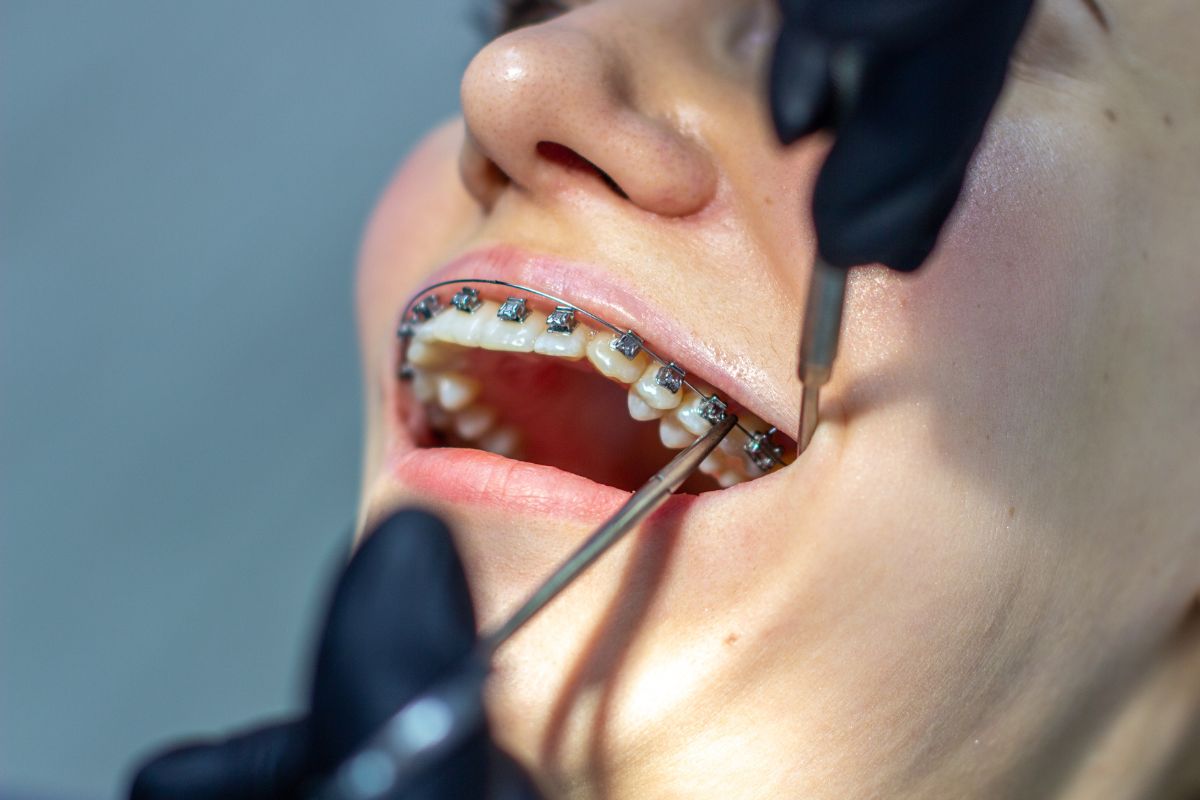
Short answer: Yes—traditional braces can close gaps and fix many types of overbites.
This is one of the most common questions patients ask at ABQ Orthodontics, especially adults who may feel they “missed the window” for orthodontic care or parents wondering whether one treatment can solve multiple issues at once.
Tooth gaps and overbites are more than cosmetic concerns. Gaps can trap food and increase the risk of cavities and gum disease, while overbites can cause uneven tooth wear, jaw discomfort, speech challenges, and even long-term bite instability. The good news is that modern orthodontic braces—particularly metal braces—are highly effective at treating both conditions when properly planned and managed.
What Are Traditional Braces?
Traditional braces—often referred to as braces, dental braces, or orthodontic braces—are a fixed orthodontic system designed to move teeth gradually into healthier, more functional positions.
Core Components of Metal Braces
Modern metal braces in orthodontics rely on several key parts working together:
- Metal brackets
Small, durable brackets are bonded to the front surface of each tooth. These act as handles that allow controlled movement. - Archwires
A thin metal wire runs through the brackets. Its shape and tension guide teeth into alignment over time. - Elastics (rubber bands)
Elastics apply additional directional force, especially useful for correcting bite issues like overbites. - Ligatures or self-ligating systems
These hold the wire in place and allow adjustments throughout treatment.
Today’s metal teeth braces are smaller, smoother, and far more comfortable than those from decades ago. They’re also extremely precise, making them ideal for complex cases involving both spacing and bite correction.
How Do Braces Close Gaps?
Tooth gaps—also called spacing—can develop for many reasons:
- Genetics (jaw size larger than tooth size)
- Missing or undersized teeth
- Tongue thrusting or thumb-sucking habits
- Gum disease–related tooth movement
- Natural shifting over time
The Biomechanics Behind Gap Closure
Orthodontic braces close gaps by applying gentle, continuous pressure to move teeth through the bone. This process is called bone remodeling:
- Pressure on one side of the tooth causes the bone to break down
- New bone forms behind the tooth as it moves
- The tooth settles into its new, stable position
Anchoring is critical. Orthodontists carefully plan which teeth act as anchors so gaps close evenly without tipping or relapse.
Role of Elastics and Adjunctive Techniques
In some cases, closing gaps efficiently may require additional strategies:
- Elastics help control the direction and timing of movement
- IPR (interproximal reduction)—a conservative reshaping of enamel—may be used to balance spacing and alignment
- Bite adjustments ensure that closing gaps doesn’t worsen an overbite or create new bite problems
When done properly, metal dental braces can close gaps in a way that’s stable, functional, and esthetically pleasing.
Overbite Explained (and Why It Matters)
An overbite occurs when the upper front teeth vertically overlap the lower front teeth more than they should.
Types of Overbites
- Mild overbite: Often normal and harmless
- Moderate to deep overbite: Can cause functional and esthetic issues
- Skeletal overbite: Related to jaw position rather than just tooth alignment
Why Overbites Shouldn’t Be Ignored
Left untreated, a significant overbite can lead to:
- Excessive wear on front teeth
- Chipping or fractures
- Jaw strain and TMJ discomfort
- Gum recession
- Speech issues
- Long-term bite instability
Correcting an overbite isn’t just about looks—it’s about protecting your teeth and jaw for the long run.
Can Braces Fix an Overbite?
Yes—traditional braces can correct most dental overbites.
How Orthodontic Braces Correct Overbites
- Teeth are repositioned to improve vertical and horizontal overlap
- Archwires guide alignment while elastics adjust bite relationships
- Gradual changes reduce strain on teeth and jaws
For many patients, metal braces orthodontics alone are sufficient to correct an overbite safely and predictably.
When Additional Treatment May Be Needed
- Dental overbite (tooth-related):
Typically corrected with braces and elastics - Skeletal overbite (jaw-related):
- Teens may benefit from growth-modifying appliances
- Adults may need orthodontics combined with surgical planning in severe cases
A comprehensive exam helps determine whether orthodontic braces alone will achieve optimal results.
Treatment Process: Step-by-Step
Understanding the process helps patients feel more confident and prepared.
Step 1: Comprehensive Examination
- Digital scans and X-rays
- Bite analysis
- Review of spacing and overbite severity
Step 2: Customized Treatment Plan
Your orthodontist determines:
- Type of braces
- Use of elastics or adjuncts
- Estimated timeline
Step 3: Appliance Placement
- Brackets bonded to teeth
- Archwire inserted
- Initial pressure applied
Step 4: Active Treatment Phases
- Early phase: Straightening and leveling
- Mid phase: Gap closure and bite correction
- Finishing phase: Fine adjustments for precision
Step 5: Retention Phase
After braces are removed:
- Retainers maintain results
- Prevent gaps and overbites from returning
Retention is essential—teeth naturally want to shift back without support.
Adult vs Teen Treatment Considerations
Teens
- Faster tooth movement
- Jaw growth can assist in overbite correction
- Typically shorter treatment times
Adults
- Bone is denser, so movement may take slightly longer
- May require elastics or IPR
- Excellent results are still achievable with metal braces
Orthodontic care is effective at any age when planned correctly.
Patient Experience & Real-World Tips
Managing Discomfort
- Mild soreness after adjustments is normal
- Over-the-counter pain relief helps
Eating With Braces
Recommended foods:
- Yogurt, rice, pasta, soft fruits
Avoid:
- Sticky candies
- Hard nuts
- Ice chewing
Speech Adjustments
- Temporary changes may occur
- Most patients adapt within days
Oral Hygiene Tips
- Brush after every meal
- Use floss threaders or water flossers
- Attend regular cleanings
Good hygiene protects your teeth throughout treatment.
Choosing the Right Orthodontist in Albuquerque
Not all orthodontic care is the same. When selecting a provider for metal dental braces, look for:
- Board-certified orthodontists
- Experience with complex spacing and bite cases
- Strong local reviews and patient education
Smart Questions to Ask
- Can braces alone fix my gaps and overbite?
- How long will treatment take?
- Will I need elastics or additional procedures?
- What does retention look like after braces?
Clear answers signal a patient-centered practice.
A Healthier Smile Starts With the Right Plan
Traditional braces remain one of the most reliable and effective solutions for closing gaps and correcting overbites—when guided by skilled professionals and a customized treatment plan.
If you’re considering metal braces in Albuquerque, NM, the team at ABQ Orthodontics combines experience, advanced planning, and patient-focused care to deliver long-lasting results.
A confident, functional smile isn’t just possible—it’s achievable with the right orthodontic guidance. Schedule a consultation and take the first step toward a healthier bite and beautifully aligned teeth.

New Patients and Emergency Appointments Welcome
Albuquerque East Office
(505) 458-0132
Albuquerque West Office
(505) 451-7349