

Can Invisalign Help with TMJ?
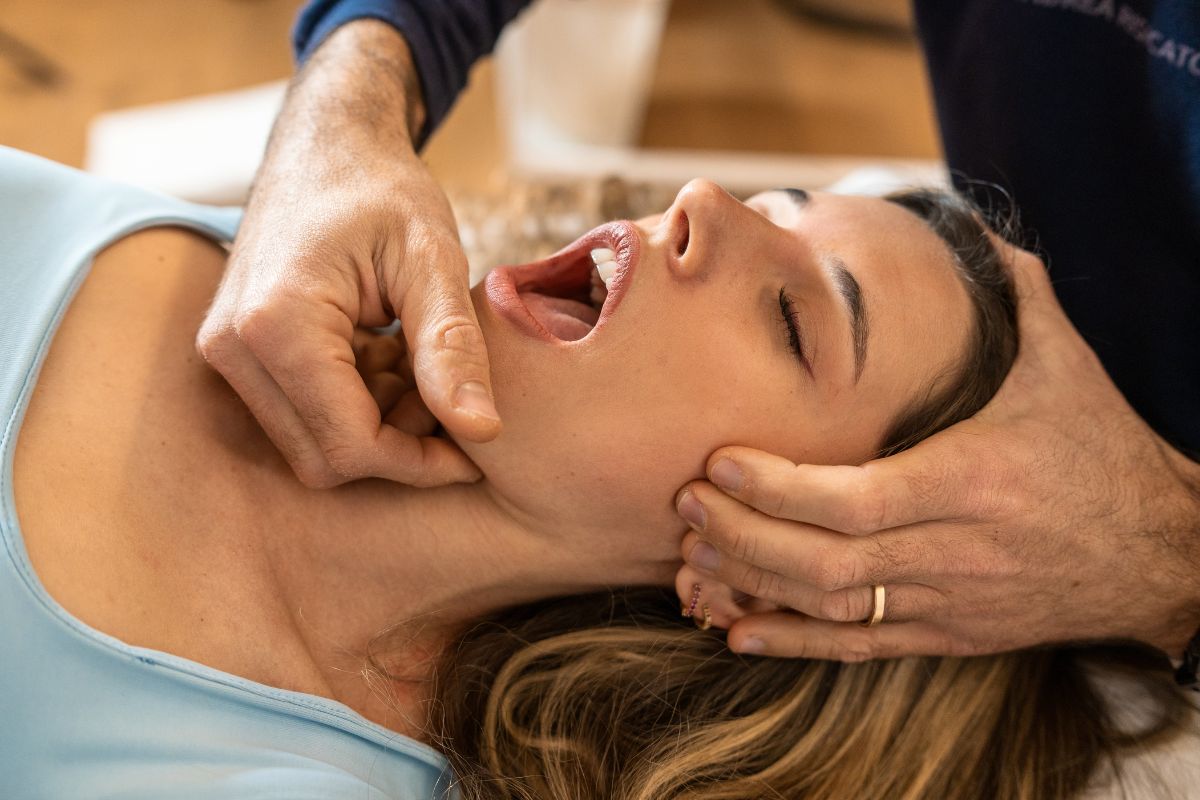
Can Invisalign help TMJ? The short answer is—sometimes.
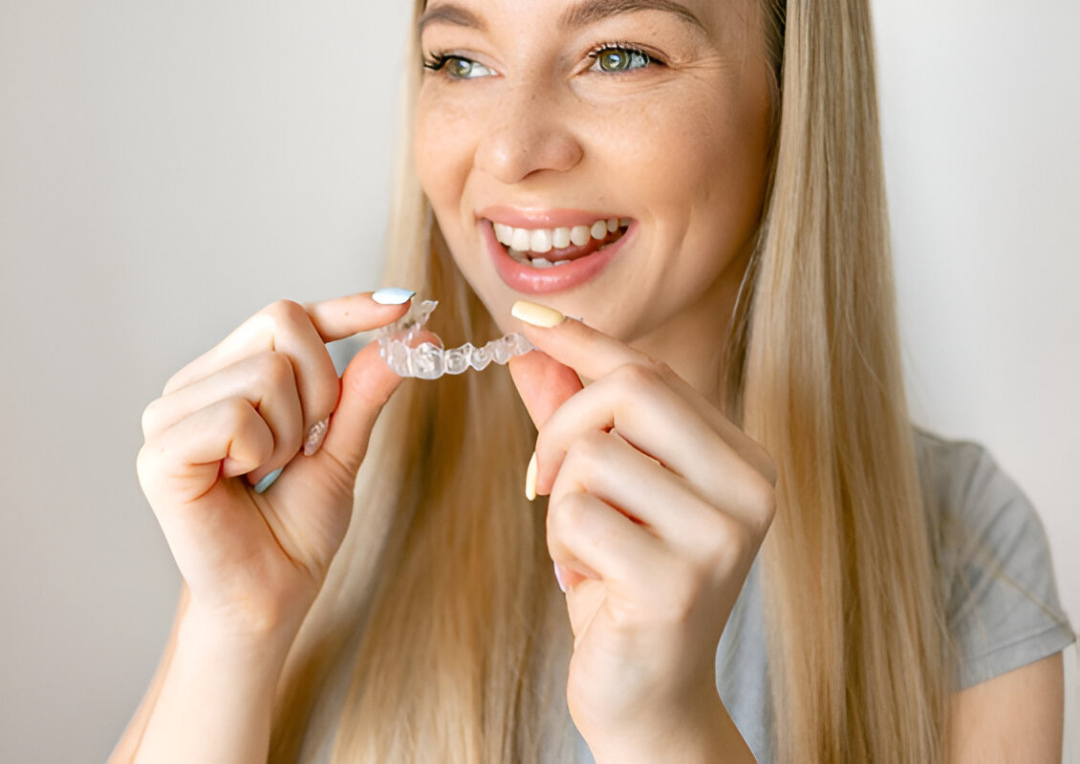
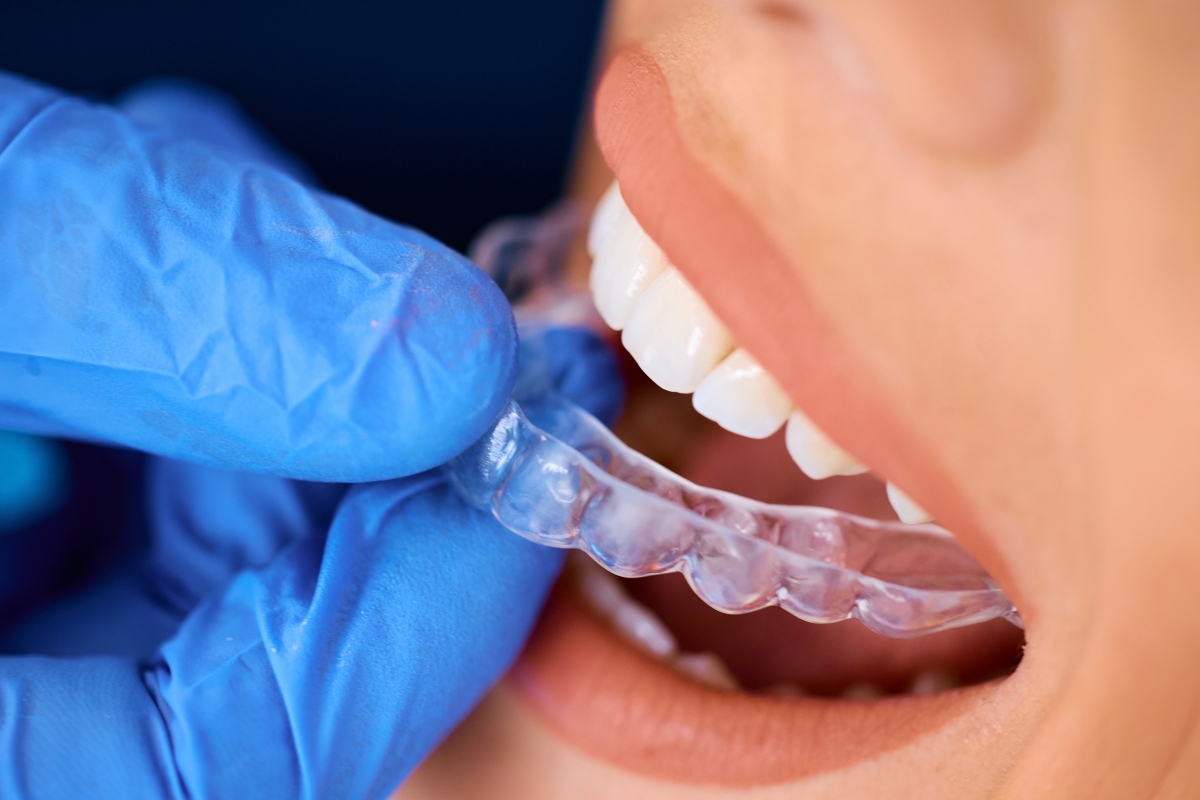
Many people experiencing jaw pain, clicking, or headaches from temporomandibular joint disorder (TMJ) wonder whether Invisalign, a popular clear aligner system, can provide relief. While Invisalign for TMJ may help in cases where bite misalignment is the root cause, it is not a universal cure. Invisalign treatment is designed primarily for orthodontic alignment, but in some patients, improving bite function can reduce strain on the jaw joints.
This article, prepared with insights from orthodontic studies and guidelines from trusted sources like the American Dental Association, will explore what TMJ disorder is, how Invisalign aligners for teeth work, whether Invisalign and TMJ relief are truly connected, and when to seek professional help. At ABQ Orthodontics in Albuquerque, NM, we prioritize patient education and care rooted in dental expertise.
What Is TMJ Disorder?
TMJ disorder refers to dysfunction of the temporomandibular joints, which connect your jaw to your skull. When these joints don’t work properly, it can lead to discomfort that interferes with eating, speaking, and daily life.
Common symptoms of TMJ disorder include:
- Jaw pain or stiffness
- Clicking, popping, or grinding sounds
- Headaches or earaches
- Difficulty chewing or opening the mouth fully
Potential causes include:
- Misaligned bite or malocclusion
- Teeth grinding (bruxism)
- Stress-related jaw clenching
- Arthritis or joint degeneration
- Injury to the jaw
Studies suggest that TMJ disorders affect up to 10% of adults, making it a widespread dental concern. While some cases are mild and temporary, others require intervention. This is where orthodontic options such as Invisalign dental approaches may be considered, especially when misaligned teeth contribute to the problem.
Can Invisalign Help with TMJ?
So, can Invisalign help TMJ? In many cases, yes – particularly when TMJ discomfort is linked to bite misalignment. When the upper and lower teeth don’t meet correctly, it stresses the jaw joints and surrounding muscles. Invisalign dental treatment can correct these bite issues, creating a more balanced bite that reduces tension.
Potential benefits of using Invisalign and TMJ care together include:
- Improved bite alignment – reducing uneven pressure on the joints
- Jaw strain relief – alleviating muscle fatigue and tension
- Non-invasive solution – no surgery required, only aligner wear
- Discreet treatment – clear trays that are barely noticeable
- Removable convenience – easy to clean and maintain oral hygiene
Orthodontists sometimes recommend Invisalign treatment when they suspect that correcting malocclusion may improve TMJ symptoms. Studies on orthodontic interventions suggest that better alignment often reduces jaw discomfort.
However, it’s important to remember: Invisalign aligners are not a guaranteed solution. While Invisalign TMJ improvements are possible, results depend on the root cause of the disorder. Patients with arthritis, trauma, or severe joint degeneration may require alternative therapies.
In summary, Invisalign and TMJ management can go hand in hand—but only if misalignment is a contributing factor.
Limitations and When Invisalign May Not Help
While some patients report relief, Invisalign for TMJ is not suitable for every case. TMJ disorders caused by arthritis, joint injury, or chronic stress-related habits may not improve with Invisalign aligners alone. In such situations, other treatments—like night guards, physical therapy, stress management, or even medical interventions—may be more appropriate.
It’s also important to recognize that Invisalign treatment may cause mild, temporary discomfort as the aligners shift teeth. This should not be confused with worsening TMJ symptoms, but patients must be monitored carefully.
Can Invisalign fix TMJ in every patient? No. Its effectiveness depends entirely on whether misaligned teeth are the root cause of the issue. A qualified orthodontist must perform a full evaluation to determine whether Invisalign aligners are the right approach or if a different therapy is needed.
Seeking Professional Advice in Albuquerque, NM
If you are experiencing jaw pain or suspect TMJ disorder, the best step is to consult with a local orthodontist or dentist in Albuquerque. A professional consultation usually includes a physical exam, dental imaging, and a review of your medical history. This helps determine whether Invisalign on teeth, night guards, or another solution is most effective.
When choosing a provider, look for qualifications, professional memberships, and patient reviews to ensure trustworthy care. TMJ is a complex condition, and while Invisalign TMJ solutions may work for some, only a professional can give you a personalized treatment plan.
Key Takeaways
Invisalign aligners can help TMJ symptoms when misalignment is the root cause, but they are not a universal cure. Can Invisalign fix TMJ in every case? No, but it may provide significant relief for patients whose bite is the issue.
At ABQ Orthodontics in Albuquerque, NM, we specialize in guiding patients through Invisalign treatment with expert care. Schedule a consultation today to learn if Invisalign and TMJ relief are the right fit for you.
FAQs
Q. Will Insurance Cover Invisalign for TMJ?
A: Insurance for Invisalign TMJ treatment may be covered if it’s medically necessary for a misaligned bite, not just cosmetic. A formal diagnosis and pre-authorization are usually required—check with your provider for specific coverage.
Q. Can Teeth Alignment Help TMJ?
A: Properly aligned teeth improve jaw movement, ease pressure on the TMJ, and help provide lasting relief from discomfort.
Q. Can Invisalign Realign My Jaw?
A: Invisalign can correct mild to moderate jaw misalignments by improving bite, but severe structural issues may need braces or jaw surgery instead.
Q. How Long Does Invisalign Take to Fix Jaw Misalignment?
A: Invisalign treatment for bite misalignment typically takes 12–18 months, though some mild cases may improve in as little as 6 months.

New Patients and Emergency Appointments Welcome
Albuquerque East Office
(505) 458-0132
Albuquerque West Office
(505) 451-7349