

Why Do I Need a Retainer for Life? Won’t My Teeth Stay Put?

“I Finished Treatment—Why Am I Not Done?”
You’ve completed your braces or clear aligners. Your teeth look straight, your smile feels great, and everything seems exactly where it should be.
Then comes the part many patients don’t expect:
“You’ll need to wear a retainer… long-term.”
Naturally, the question follows:
“Why? Won’t my teeth just stay like this?”
This is one of the most common concerns patients bring up after orthodontic treatment. And it’s completely understandable. After investing time, effort, and money into straightening your teeth, it feels logical to expect permanent results.
But here’s the reality: your teeth are not fixed in place forever.
At ABQ Orthodontics, we often explain that orthodontic treatment doesn’t end when braces come off—it transitions into a maintenance phase. Wearing a retainer isn’t about inconvenience—it’s about protecting your results for life.
If you’ve ever searched for an orthodontist near me to understand why retainers matter so much, this guide will walk you through the science, the reasoning, and what you can expect long-term.
The Common Expectation: “Once Straight, Always Straight”
Why This Belief Feels Logical
It’s easy to assume that once your teeth are straightened, they’ll remain that way permanently.
After all:
- Braces physically move your teeth into alignment
- You’ve followed all instructions during treatment
- Your smile now looks stable
From a patient’s perspective, it feels like the job is done.
Why Teeth Don’t Stay Put on Their Own
Here’s what most people don’t realize:
Teeth are not anchored like concrete—they’re supported by living tissue.
They are held in place by periodontal ligaments, which allow slight movement. This flexibility is essential for normal function—but it also means your teeth can shift over time.
What Is Orthodontic “Relapse”?
Understanding Relapse
“Relapse” is the term orthodontists use to describe teeth moving back toward their original positions after treatment.
This doesn’t happen overnight—but it can happen gradually, often without you noticing at first.
Why Relapse Happens
There are two main reasons:
- Ligament memory: The tissues that held your teeth in their previous positions “remember” where they were
- Natural forces in the mouth: Chewing, speaking, and even tongue pressure influence tooth position
Without a retainer, these forces can slowly undo the results of treatment.
The Biology Behind Tooth Movement
Teeth Are Held by Periodontal Ligaments
Each tooth is supported by tiny fibers called periodontal ligaments. These ligaments:
- Attach the tooth to the surrounding bone
- Allow slight movement
- Respond to pressure
These Ligaments Have “Memory”
When your teeth are moved during orthodontic treatment, the ligaments stretch and adapt—but they don’t instantly reset.
They naturally try to pull their teeth back toward their original position.
Bone Remodeling Takes Time
While teeth can move relatively quickly during treatment, the surrounding bone takes longer to stabilize.
This means that even after braces are removed, your teeth are still in a transitional phase—and need support to stay in place.
How Your Body Changes Over Time
Even if relapse weren’t a factor, your body itself changes over time—and those changes affect your teeth.
Aging and Jaw Changes
As you age:
- Your jaw structure can subtly shift
- Bone density changes
- Teeth may move closer together
Natural Tooth Movement Happens to Everyone
Even people who have never had braces experience some shifting over time.
This is why lower front teeth often become crowded with age.
Lifestyle and Habits Play a Role
Daily habits also influence tooth position:
- Teeth grinding (bruxism)
- Jaw clenching
- Tongue pressure
- Sleeping positions
Orthodontists consider all of these factors when recommending long-term retainer use.
Why Retainers Are Necessary Long-Term
Stabilizing Teeth After Treatment
Immediately after braces are removed, your teeth are at their most vulnerable to shifting.
Retainers act as a support system, holding teeth in their new positions while the surrounding structures stabilize.
Preventing Gradual Shifting
Over time, even small shifts can add up:
- Slight crowding
- Minor spacing
- Bite changes
A retainer prevents these gradual changes from occurring.
Protecting Your Investment
Orthodontic treatment is a significant investment in both time and money.
Wearing a retainer ensures:
- Your results last
- You avoid retreatment
- Your smile stays as intended
Addressing a Common Concern: “Do I Really Need It Forever?”
This is where many patients hesitate.
Wearing something “for life” sounds overwhelming—but here’s the reassurance:
It becomes much easier over time.
- Initially: Full-time wear
- Later: Nighttime only
- Long-term: A simple nightly habit
Think of it like brushing your teeth—it becomes part of your routine.
An orthodontist in my area will guide you on a schedule that’s realistic and manageable.
What Happens If You Stop Wearing Your Retainer
Stopping retainer use can lead to:
- Teeth gradually shifting
- Crowding returning
- Bite alignment changing
In some cases, patients may need:
- Minor correction with aligners
- Or even full orthodontic retreatment
The sooner you stop, the higher the risk of noticeable changes.
Types of Retainers and How They Work
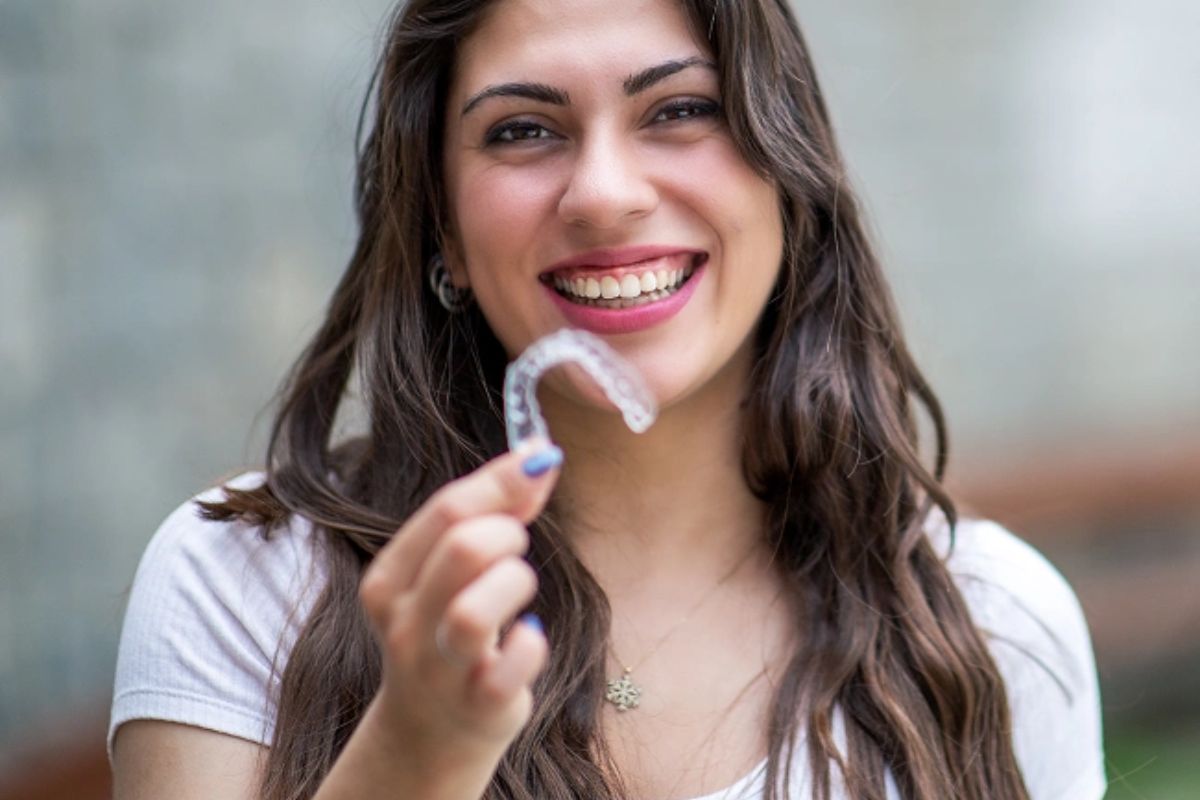
Removable Retainers
- Clear plastic (Essix-style)
- Wire retainers (Hawley-style)
Pros:
- Easy to clean
- Removable
Cons:
- Requires consistency
Fixed (Permanent) Retainers
- Bonded behind the teeth
Pros:
- Always in place
- No need to remember
Cons:
- Requires careful cleaning
Choosing the Right Option
Your orthodontist will recommend the best type based on:
- Your alignment
- Your lifestyle
- Your long-term needs
At ABQ Orthodontics, retention plans are customized for each patient.
How Often Should You Wear Your Retainer?
Immediately After Treatment
- Full-time wear (except eating and cleaning)
Long-Term Maintenance
- Nighttime wear
This simple habit is usually enough to maintain alignment for life.
Tips for Making Retainer Wear Easy
- Keep your retainer case with you
- Make it part of your nightly routine
- Clean it regularly
- Replace it when worn or damaged
Consistency is key—and small habits make a big difference.
The Role of Your Orthodontist in Retention Care
Your orthodontist continues to play an important role even after treatment ends.
They help by:
- Monitoring your alignment
- Checking retainer fit
- Recommending adjustments if needed
A trusted orthodontist near me ensures your results stay on track long-term.
When Should You Search for an “Orthodontist Near Me”?
You should consult an orthodontist in my area if:
- Your retainer no longer fits
- Your teeth feel like they’re shifting
- You’ve stopped wearing your retainer
- Your retainer is lost or damaged
Early intervention can prevent bigger issues later.
Protect Your Smile for Life with ABQ Orthodontics
Straightening your teeth is a major achievement—but keeping them that way requires ongoing care.
At ABQ Orthodontics, we emphasize that retainers aren’t just a final step—they’re a long-term commitment to maintaining your smile. Teeth naturally shift over time due to biological factors, aging, and daily habits. Without a retainer, even the best orthodontic results can gradually change.
The good news is that maintaining your smile doesn’t require constant effort—just a simple, consistent routine.
If you have questions about your retainer or want to ensure your smile stays aligned, schedule a visit with ABQ Orthodontics today. With the right guidance and care, you can protect your results and enjoy your smile for years to come.
FAQs
Q. How long do I need to wear a retainer?
A: Most patients benefit from lifelong nighttime wear.
Q. Will my teeth move if I stop wearing it?
A: Yes, gradual shifting is very likely over time.
Q. Can I fix shifting teeth without braces again?
A: In some cases, minor corrections can be done with aligners.
Q. What if my retainer doesn’t fit anymore?
A: You should see an orthodontist as soon as possible to prevent further movement.

New Patients and Emergency Appointments Welcome
Albuquerque East Office
(505) 458-0132
Albuquerque West Office
(505) 451-7349