

Do I Really Need Braces If My Teeth Aren’t That Crooked?
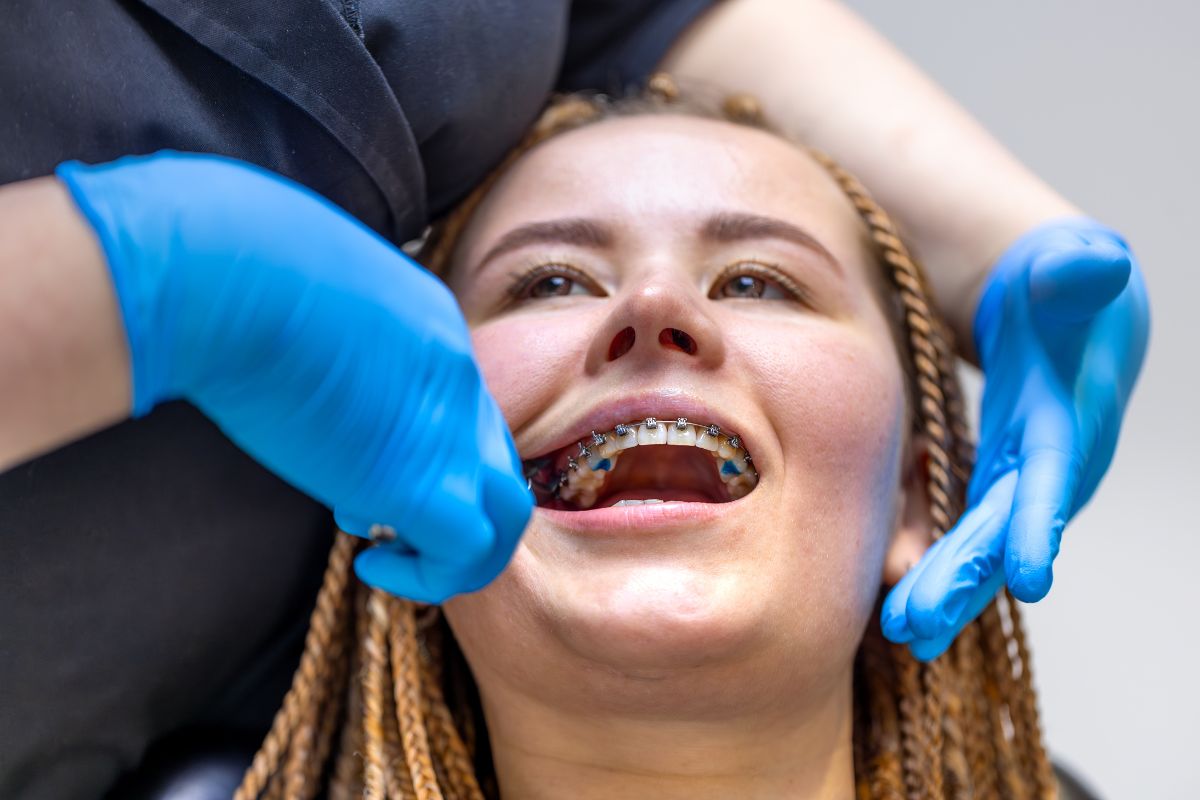
If your teeth look mostly straight when you smile, it’s completely reasonable to wonder:
“Do I really need braces?”
For many people, orthodontic treatment feels like something reserved for obvious crowding or visibly crooked teeth. If everything looks fine, it’s easy to assume everything is fine.
But here’s what most patients don’t realize: alignment is about much more than appearance.
As an orthodontist, the goal isn’t just to create a straighter smile—it’s to ensure your teeth function properly, wear evenly, and stay healthy long-term. Even mild misalignment can lead to issues that develop slowly over time, often without noticeable symptoms at first.
At ABQ Orthodontics, we often meet patients who are surprised to learn that their “almost straight” teeth may still benefit from treatment—not for cosmetic reasons, but for protection and prevention.
If you’ve ever searched for an orthodontist near me and wondered whether traditional braces are truly necessary, this guide will help you understand the bigger picture.
The Common Misconception: Braces Are Only for Looks
Why “Slightly Crooked” Doesn’t Seem Like a Problem
If your teeth aren’t visibly misaligned, you might:
- Feel confident about your smile
- Experience no pain or discomfort
- Assume there’s no need for treatment
This is one of the most common beliefs patients share.
Why Appearance Doesn’t Tell the Full Story
Orthodontists don’t just evaluate how your teeth look—they assess:
- How your teeth come together (your bite)
- How force is distributed when you chew
- Whether certain teeth are under more stress than others
A smile can appear straight but still have underlying alignment issues that affect long-term oral health.
What “Alignment” Really Means in Orthodontics
Tooth Position vs Bite Function
There are two key components of alignment:
- Tooth position: How straight your teeth appear
- Bite function: How your upper and lower teeth fit together
You can have straight teeth but still have a misaligned bite.
How Orthodontists Evaluate Alignment
During an evaluation, an orthodontist in my area will look at:
- Contact points between teeth
- Jaw positioning
- Wear patterns
- Spacing and crowding (even minor)
This comprehensive approach helps identify issues that aren’t visible in the mirror.
How Mild Misalignment Affects Tooth Wear
Uneven Pressure on Teeth
When your bite isn’t perfectly aligned, certain teeth absorb more pressure than others.
Over time, this can lead to:
- Excessive wear on specific teeth
- Imbalanced chewing forces
Gradual Enamel Wear
This uneven pressure causes enamel to wear down faster in some areas.
You may notice:
- Flattened edges
- Small chips
- Increased sensitivity
Long-Term Damage
If left unaddressed, mild misalignment can lead to:
- Cracks or fractures
- Need for crowns or restorations
- Shortened lifespan of teeth
Orthodontists often recommend early correction to prevent these outcomes.
The Link Between Alignment and Gum Health
Hard-to-Clean Areas
Even slight crowding can create tight spaces that are difficult to clean properly.
This leads to:
- Plaque buildup
- Increased risk of cavities
Higher Risk of Gum Disease
When plaque accumulates in hard-to-reach areas, it can cause:
- Gum inflammation
- Bleeding
- Early-stage gum disease
Gum Recession and Bone Support
Misaligned teeth can place stress on the gums and supporting bone, increasing the risk of gum recession over time.
This is why an orthodontist looks beyond aesthetics and considers long-term gum health.
Other Hidden Problems Caused by Mild Misalignment
Jaw Pain and TMJ Issues
An uneven bite can strain your jaw joints, leading to:
- Jaw discomfort
- Clicking or popping
- Headaches
Teeth Grinding (Bruxism)
Misalignment can contribute to grinding or clenching, especially at night.
This accelerates:
- Tooth wear
- Muscle fatigue
- Jaw tension
Chewing and Functional Challenges
Even small alignment issues can affect how efficiently you chew, which can impact digestion and overall comfort.
When Braces Are Recommended—Even If Teeth “Look Fine”
Functional Issues Orthodontists Look For
An orthodontist near me may recommend braces if they notice:
- Uneven wear patterns
- Bite imbalances
- Crowding that affects cleaning
Preventive Orthodontics
In many cases, braces are recommended not because there’s a major problem now, but to prevent future complications.
This approach helps:
- Protect enamel
- Maintain gum health
- Avoid costly treatments later
Addressing a Common Concern: “Is This Just Cosmetic?”
This is one of the most important questions patients ask.
The honest answer:
Not always.
While braces can improve appearance, orthodontists often recommend treatment for:
- Functional correction
- Preventive care
- Long-term oral health
A trusted orthodontist in my area will always explain the reasoning clearly and base recommendations on clinical findings—not aesthetics alone.
Benefits of Correcting Mild Misalignment
Even subtle alignment improvements can lead to:
- More even bite distribution
- Reduced enamel wear
- Easier brushing and flossing
- Improved gum health
- Lower risk of future dental work
These benefits go far beyond cosmetic changes.
Modern Orthodontic Options: It’s Not Just Metal Braces
Clear Aligners
- Nearly invisible
- Removable
- Ideal for mild to moderate cases
Ceramic Braces
- Less noticeable than traditional metal braces
- Effective for a wide range of cases
Shorter Treatment Times
For mild misalignment, treatment is often:
- Faster
- More comfortable
- Less invasive than expected
At ABQ Orthodontics, patients are guided toward options that fit both their needs and lifestyle.
What Happens If You Choose Not to Get Braces?
Choosing not to pursue treatment is a personal decision—but it’s important to understand the potential risks:
- Gradual worsening of wear
- Increased likelihood of gum issues
- Higher chance of needing restorative treatments later
Mild misalignment doesn’t always stay mild.
How Orthodontists Help You Decide
Personalized Evaluation
Every patient is different. An orthodontist considers:
- Your bite
- Your oral health
- Your long-term goals
Risk vs Benefit Discussion
You’ll receive a clear explanation of:
- What’s happening now
- What may happen in the future
- Whether treatment is necessary or optional
No-Pressure Recommendations
At ABQ Orthodontics, the goal is to educate—not pressure. You’re given the information you need to make a confident decision.
When Should You Search for an “Orthodontist Near Me”?
You may benefit from an evaluation if you notice:
- Uneven tooth wear
- Difficulty cleaning certain areas
- Jaw discomfort or tension
- Slight crowding or spacing
Even if your teeth “look fine,” a professional assessment can reveal hidden concerns.
A Healthy Smile Is About More Than Appearance at ABQ Orthodontics
It’s easy to assume that if your teeth aren’t noticeably crooked, braces aren’t necessary. But as we’ve seen, alignment plays a much bigger role than just how your smile looks.
At ABQ Orthodontics, the focus is on helping you protect your teeth for the long run—not just improve aesthetics. Even mild misalignment can affect how your teeth wear, how easy they are to clean, and how healthy your gums remain over time.
The goal isn’t to recommend braces for everyone—it’s to help you understand whether your alignment supports your long-term oral health.
If you’re unsure whether braces are right for you, schedule a consultation with ABQ Orthodontics today. A personalized evaluation can give you clarity, confidence, and a plan that works best for your smile—now and in the future.
FAQs
Q. Can slightly crooked teeth cause problems?
A: Yes, even mild misalignment can lead to uneven wear and cleaning challenges.
Q. Are braces necessary for minor alignment issues?
A: Not always, but an orthodontist can assess whether treatment would be beneficial.
Q. How long does treatment take for mild cases?
A: Often shorter than expected—sometimes as little as a few months.
Q. Are clear aligners effective?
A: Yes, they are a popular and effective option for many mild to moderate cases.


New Patients and Emergency Appointments Welcome
Albuquerque East Office
(505) 458-0132
Albuquerque West Office
(505) 451-7349