

Do Traditional Braces Hurt? What Albuquerque Patients Should Really Expect
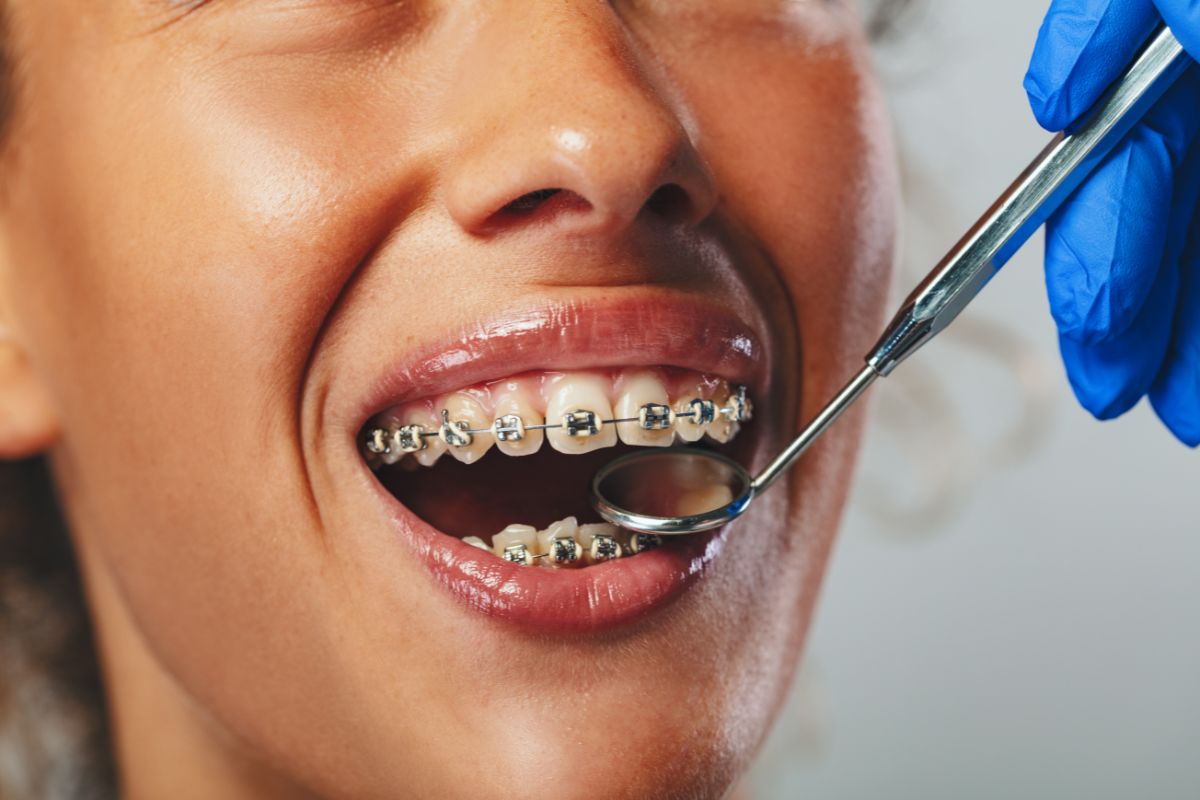
If you’re considering braces for yourself or your child, one of the first questions that probably comes to mind is: “Are they going to hurt?”
It’s a completely normal concern. No one looks forward to discomfort — especially when it involves their teeth.
At our Albuquerque practice, we hear this question almost daily. The good news? While traditional braces can cause temporary soreness, the discomfort is manageable and short-lived, and it is a sign that your treatment is working.
This guide will walk you through exactly what to expect with metal braces, why discomfort happens, how long it lasts, and what you can do to stay comfortable throughout treatment.
Do Traditional Braces Hurt? The Honest Answer
Let’s start with the truth.
Metal braces do not hurt when they are placed.
The process of bonding metal teeth braces to your teeth is painless. Your orthodontist will clean your teeth, apply a bonding agent, place brackets, and secure a wire. There are no needles, no drilling, and no sharp pain during the procedure.
However…
You will likely feel discomfort later, typically within a few hours after placement.
Why? Orthodontic braces apply gentle, continuous pressure to move your teeth into proper alignment.
How much it hurts depends on:
- Your personal pain tolerance
- How crowded or misaligned your teeth are
- How much movement is required
- Whether you’ve had braces before
For most patients, the sensation is described as soreness or pressure — not sharp pain.
Why Braces Can Cause Discomfort
Understanding the science behind brace discomfort can make it less intimidating.
Here’s what’s happening beneath the surface:
1. Pressure on Teeth
Dental braces work by applying steady pressure to your teeth. This pressure signals your body to remodel the bone around your teeth, allowing them to move into new positions.
That pressure causes temporary soreness, especially when chewing.
2. Bone and Tissue Remodeling
When your teeth shift, the bone supporting them breaks down in some areas and rebuilds in others. This biological process is completely normal, but it can cause mild inflammation and tenderness.
3. Soft Tissue Irritation
Metal braces, brackets, and wires may rub against the inside of your cheeks and lips, especially during the first couple of weeks. This friction can cause minor irritation until your mouth adjusts.
The key thing to remember:
Discomfort means your orthodontic braces are doing their job.
What to Expect: Timeline of Sensations
Let’s break down what you’re most likely to experience — step by step.
4.1 On Placement Day
The day your braces are put on is usually easier than people expect.
- No pain during the appointment
- You may feel mild pressure once the wire is secured
- Tightness may begin 3–6 hours later
By the evening, your teeth may feel slightly sensitive when biting down.
First Few Days After
This is when discomfort typically peaks.
- Mild to moderate soreness
- Aching when chewing
- Pressure when biting
- Slight tenderness when brushing
Most patients say the discomfort peaks within 24–72 hours and gradually improves over the next 3–7 days.
After about a week, your mouth adjusts significantly.
After Each Adjustment
Every 4–8 weeks, your orthodontist will tighten or adjust your braces.
After these appointments:
- You may feel pressure for 1–3 days
- Soreness is usually milder than in the first week
- Your mouth adapts faster over time
The good news? The initial adjustment period is usually the most noticeable. Each subsequent visit tends to feel easier.
Typical Sensations You May Feel
Let’s talk about what discomfort actually feels like. Patients often describe:
Tenderness When Chewing
Hard foods may feel uncomfortable at first. This is why soft foods are recommended during the first few days.
Dull, Achy Pressure
A generalized soreness, especially when biting down.
Sensitivity in Specific Teeth
Some teeth may feel more sensitive than others, especially if they are moving more dramatically.
Cheek or Lip Irritation
Brackets can rub against soft tissue until your mouth toughens up.
Tight or “Full” Feeling
A sensation of pressure across your teeth — completely normal with teeth braces.
These sensations are temporary and manageable.
How Long Does Discomfort Usually Last?
Here’s a simple breakdown:
| Stage | Duration |
|---|---|
| Initial placement soreness | 3–7 days |
| Adjustment soreness | 1–3 days |
| Soft tissue irritation | 1–2 weeks (intermittent) |
The most encouraging part?
Your body adapts.
Most patients report that after the first month of wearing traditional braces, discomfort becomes minimal and predictable.
Pain Management and Relief Tips
There are several simple ways to stay comfortable during orthodontic treatment.
Choose Soft Foods
For the first few days, stick to:
- Soup
- Yogurt
- Mashed potatoes
- Scrambled eggs
- Oatmeal
- Smoothies
Avoid crunchy, hard, or sticky foods.
Over-the-Counter Pain Relievers
Ibuprofen or acetaminophen (as recommended by your provider) can help reduce inflammation and soreness.
Always follow dosing guidelines.
Orthodontic Wax
If a bracket rubs your cheek, apply orthodontic wax over it. This creates a smooth barrier and prevents irritation.
Warm Salt Water Rinses
A gentle saltwater rinse can soothe irritated gums and cheeks.
Cold Compress
Applying a cold compress to the outside of your cheek can reduce inflammation during the first 24 hours.
Maintain Excellent Oral Hygiene
Clean teeth move more comfortably. Brushing and flossing carefully around your dental braces reduces inflammation and gum tenderness.
When to Call Your Orthodontist
While mild soreness is normal, some situations require professional attention.
Contact your orthodontist if you experience:
- Pain lasting longer than 7 days without improvement
- A loose or broken bracket
- A poking wire is causing cuts
- Significant swelling
- Signs of infection
If you ever search “orthodontist near me” in concern — remember, it’s always better to call your provider directly rather than waiting.
Your orthodontist is there to help you stay comfortable throughout treatment.
Special Considerations for Albuquerque Patients
Living in Albuquerque comes with unique lifestyle factors that can influence orthodontic care.
Dry Climate Considerations
Albuquerque’s dry air can sometimes make lips and cheeks more prone to dryness or irritation when wearing metal tooth braces. Staying hydrated and using lip balm can help.
Typical Appointment Cadence
Most Albuquerque orthodontic practices schedule adjustment visits every 4–8 weeks, depending on your treatment plan.
Insurance and Medicaid
Many local orthodontic offices accept:
- Private dental insurance
- Flexible spending accounts
- Payment plans
- New Mexico Medicaid for qualifying children
If cost is a concern, speak with your orthodontist’s office about financing options.
The key is finding an experienced orthodontist who communicates clearly and provides guidance at every stage.
What You Should Take Away
So, do traditional braces hurt?
Here’s the honest summary:
- Placement is painless
- Mild soreness afterward is normal
- Discomfort peaks in the first few days
- Adjustments cause temporary pressure
- Most soreness lasts only a few days
- Relief strategies are simple and effective
- Your body adapts quickly
Remember — discomfort is temporary, but the results are long-lasting.
Straight, healthy teeth improve:
- Bite alignment
- Oral hygiene
- Confidence
- Long-term dental health
If you’re considering orthodontic braces or want expert guidance from a trusted orthodontist, the team at ABQ Orthodontics is here to help.
Whether you’re researching metal braces for your child or exploring tooth braces for yourself, our Albuquerque team will walk you through every step — comfortably and confidently.
Schedule your consultation with ABQ Orthodontics today and take the first step toward a healthier, straighter smile.
Because the journey may include a little pressure — but the results are absolutely worth it.
FAQs
Q. Are traditional braces painful?
A: No. The process takes 90–120 minutes and shouldn’t be painful — only mild pressure. Tell your orthodontist if you feel discomfort.
Q. What type of braces hurt the most?
A: There isn’t one “most painful” type — discomfort varies by person. Lingual braces (placed behind the teeth) may cause more initial irritation due to tongue contact. For all braces, soreness is usually strongest in the first few days after placement or adjustments and feels like a dull ache or pressure.
Q. What’s the most painful stage of braces?
A: Braces are typically most uncomfortable during the first 1–3 days after placement or adjustments. You may feel soreness, tightness, or mild irritation. The initial phase is usually the most intense, and discomfort after future adjustments tends to be milder and short-lived.


New Patients and Emergency Appointments Welcome
Albuquerque East Office
(505) 458-0132
Albuquerque West Office
(505) 451-7349