

Common Jaw Issues an Orthodontist Can Fix With Surgical Orthodontic Procedures
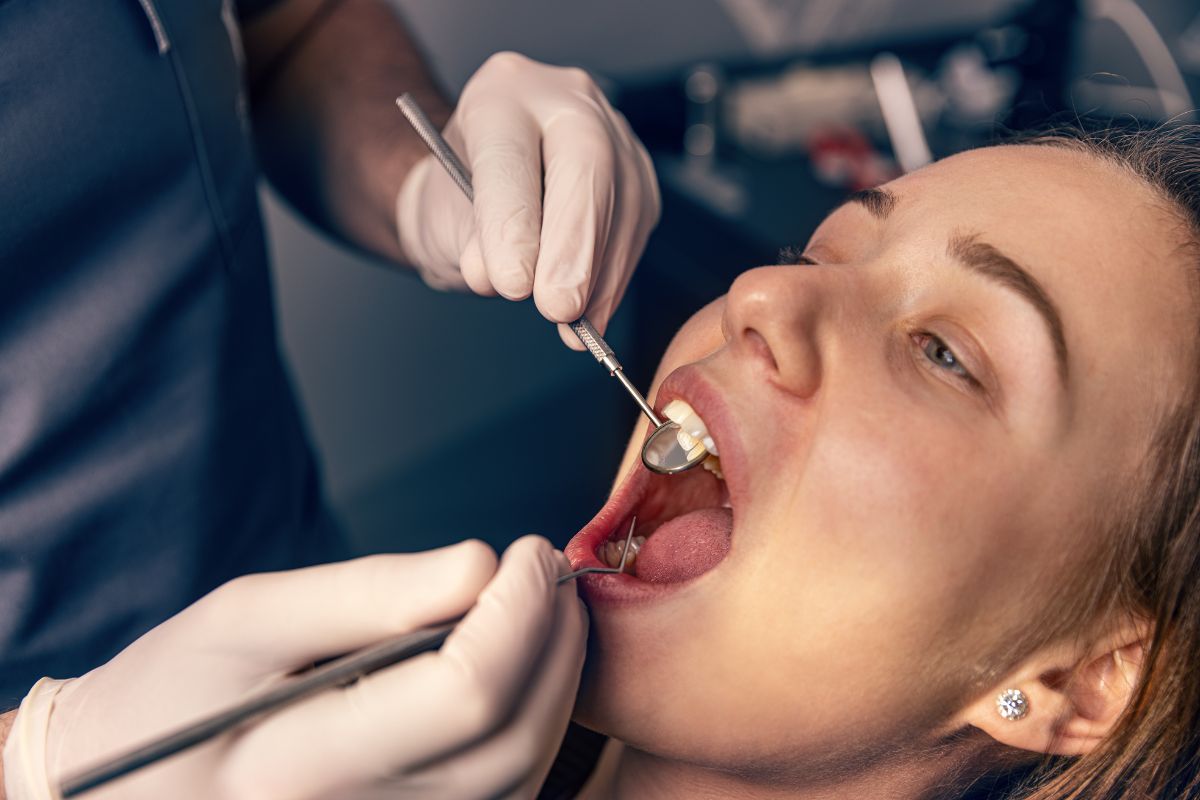
If you’ve been told that braces alone may not fix your bite, you’re not alone. Many adults and older teens in Albuquerque struggle with jaw misalignment that goes beyond what traditional orthodontic treatment can correct.
At ABQ Orthodontics, patients often ask whether their case requires surgical orthodontics. This guide is designed to help you understand what that means, why it matters, and which jaw conditions may require a combined orthodontic and surgical approach.
If you’ve ever searched for “surgical orthodontics near me” in Albuquerque, this article will help you gain clarity before your consultation.
What Is Surgical Orthodontics?
Surgical orthodontics, also known as orthognathic surgery, is a specialized orthodontic treatment used to correct significant jaw misalignment caused by skeletal discrepancies.
Unlike traditional braces, which move teeth within the jawbone, surgical orthodontics corrects the position of the upper jaw, lower jaw, or both when the bones are improperly aligned.
How It Differs From Traditional Braces
| Traditional Orthodontics | Surgical Orthodontics |
|---|---|
| Moves teeth only | Repositions jaw bones |
| Ideal for mild-to-moderate bite issues | Required for severe skeletal discrepancies |
| Non-surgical | Involves coordinated jaw surgery |
| Works during growth phases | Often recommended after growth is complete |
An experienced orthodontist evaluates whether your bite problem is dental (tooth-based) or skeletal (bone-based). This distinction determines the right course of treatment.
How Jaw Issues Affect Function and Quality of Life
Jaw misalignment is not just cosmetic. When the upper and lower jaws don’t align properly, it can impact everyday life in serious ways.
Here’s how:
• Difficulty Chewing or Biting
- Trouble biting into foods like sandwiches or apples
- Uneven pressure on back teeth
- Premature enamel wear
• Speech Problems
- Lisping or unclear pronunciation
- Difficulty forming certain sounds
- Jaw positioning affects tongue placement
• Breathing Issues
- Mouth breathing
- Obstructive sleep apnea risk
- Restricted airway due to jaw positioning
• Chronic TMJ Pain
- Jaw clicking or popping
- Headaches and facial tension
- Pain when opening or closing the mouth
• Facial Asymmetry
- Uneven jawline
- Chin shifted to one side
- Imbalance in facial appearance
For many Albuquerque patients, these functional concerns are what lead them to explore surgical orthodontics.
Common Jaw Conditions That May Require Surgery
Certain skeletal bite problems cannot be corrected with braces alone. Below are the most common conditions orthodontists evaluate.
Severe Underbite (Class III Malocclusion)
In a severe underbite, the lower jaw extends beyond the upper jaw.
What Happens:
- Lower teeth sit in front of upper teeth
- Chin appears prominent
- Difficulty biting and chewing
Why Surgery May Be Needed:
When the lower jawbone itself is too large or positioned too far forward, braces cannot reposition it. Surgical orthodontics repositions the jaw to restore alignment and facial balance.
Severe Overbite (Class II Malocclusion)
A severe overbite occurs when the upper jaw significantly overlaps the lower jaw.
Signs:
- Receding chin
- Excessive upper tooth display
- Difficulty closing lips comfortably
Risks:
- Increased tooth wear
- Jaw strain
- Speech issues
When the lower jaw is underdeveloped, braces cannot stimulate bone growth in adults. An orthodontist may recommend surgical orthodontics to move the lower jaw forward.
Open Bite
An open bite means the upper and lower front teeth do not meet when the mouth is closed.
Functional Issues:
- Inability to bite into food
- Excess strain on back teeth
- Speech difficulties
Open bites caused by skeletal growth patterns often require surgical repositioning of the upper jaw.
Crossbite
A crossbite occurs when one or more upper teeth sit inside the lower teeth.
Causes:
- Narrow upper jaw
- Asymmetrical growth
While mild crossbites can be corrected orthodontically, severe skeletal crossbites often require surgical expansion of the upper jaw.
Facial Asymmetry
Facial asymmetry happens when one side of the jaw grows differently than the other.
Possible Causes:
- Uneven growth patterns
- Trauma
- Conditions like condylar hyperplasia
Symptoms may include:
- Chin deviation
- Uneven bite
- Jaw pain
Surgical orthodontics can reposition the jaw to restore facial balance and bite function.
When Orthodontics Alone Isn’t Enough
Many patients ask: “Why can’t braces fix this?”
Here’s the key difference:
- Braces move teeth
- Surgical orthodontics moves bones
If the underlying problem is skeletal — meaning the jaw bones themselves are misaligned — moving teeth alone can camouflage the issue but won’t truly correct it.
Growth Considerations
- In children and teens, growth modification appliances may help guide jaw development.
- In adults, jaw growth is complete.
- Once growth stops, skeletal discrepancies typically require surgery for full correction.
An experienced orthodontist uses digital imaging, 3D scans, and bite analysis to determine whether your case requires surgical orthodontics.
How Surgical Orthodontic Treatment Works
Surgical orthodontics is a team-based approach between an orthodontist and an oral and maxillofacial surgeon.
1. Pre-Surgical Orthodontics
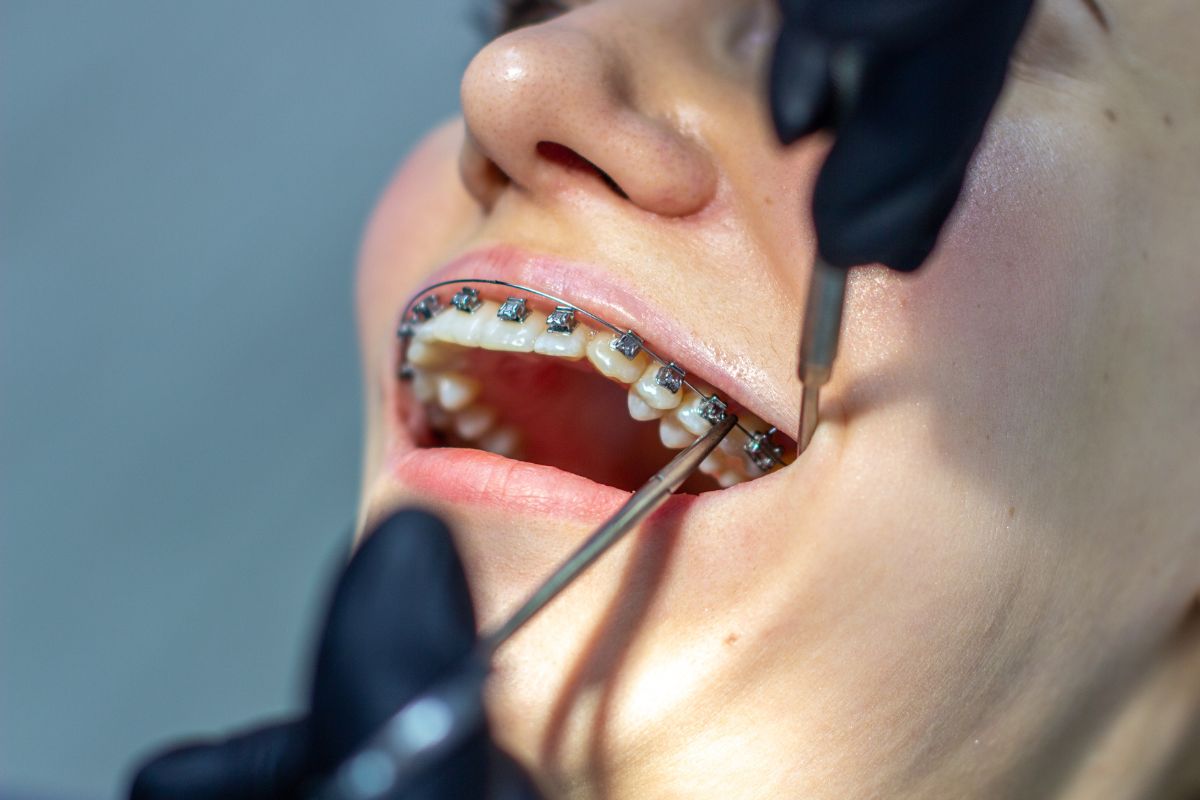
- Braces or aligners are placed
- Teeth are positioned properly within each jaw
- This phase typically lasts 12–18 months
Although the bite may temporarily look worse, this preparation ensures ideal surgical positioning.
2. The Surgical Procedure
- Performed in a hospital setting
- Conducted under general anesthesia
- Jaw bones are repositioned
- Plates and screws stabilize the bone during healing
Most procedures last several hours, depending on complexity.
3. Post-Surgery Orthodontic Treatment
- Fine-tuning tooth alignment
- Bite adjustments
- Final detailing for optimal function
Total treatment time usually ranges from 18 to 24 months.
What to Expect Before, During & After Surgery
Understanding the process reduces anxiety and builds confidence.
Before Surgery
Your orthodontist will:
- Take digital X-rays and 3D scans
- Perform bite analysis
- Create a customized treatment plan
- Coordinate with your surgical team
Clear communication is key at this stage.
During Surgery
- Hospital-based procedure
- Same-day or short hospital stay
- No visible external facial scars (incisions are inside the mouth)
After Surgery
Recovery typically includes:
- Swelling for 2–3 weeks
- Soft or liquid diet initially
- Gradual return to normal foods
- Regular orthodontic follow-ups
Most patients return to work or school within 2–3 weeks, depending on the procedure.
Why Choosing an Experienced Orthodontist Matters
Surgical orthodontics is not just about surgery. It is about:
- Accurate diagnosis
- Precise bite planning
- Coordinated surgical collaboration
- Long-term functional stability
An experienced orthodontist ensures that your teeth and jaws work harmoniously — not just immediately after surgery, but for years to come.
If you’ve been searching for surgical orthodontics near me in Albuquerque, it’s essential to consult with a specialist who has experience in managing complex skeletal cases.
Conclusion
Severe underbites, overbites, open bites, crossbites, and facial asymmetry can significantly impact chewing, speech, breathing, and overall confidence. While traditional orthodontics is highly effective for many bite concerns, some skeletal jaw discrepancies require a combined orthodontic and surgical approach.
Surgical orthodontics offers a long-term solution by correcting the underlying jaw structure — not just masking the symptoms.
If you’re in Albuquerque and suspect your bite concerns go beyond braces alone, the orthodontic team at ABQ Orthodontics can evaluate your case and guide you through every step of the process.
Schedule a consultation today to determine whether surgical orthodontics is the right solution for you — and take the first step toward a healthier, more balanced smile.
FAQs
Q. When is jaw surgery necessary for orthodontics?
A: Jaw surgery may be needed for an open bite, severe underbite, or a recessed lower jaw that affects proper bite and function.
Q. What conditions may require orthognathic surgery?
A: These may include airway issues like sleep apnea, TMJ disorders, speech impairments, and related functional concerns.
Q. What qualifies you for jaw surgery?
A: You may qualify for corrective jaw (orthognathic) surgery if you have severe jaw misalignment causing chewing, breathing, or pain issues, and your facial growth is complete. A thorough exam, X-rays, and orthodontic evaluation are required.
Q. When is jaw surgery considered medically necessary?
A: Jaw surgery (orthognathic surgery) is medically necessary when severe jaw misalignment affects chewing, speaking, breathing, or causes chronic pain, TMJ issues, or facial asymmetry. It is typically recommended when orthodontics alone cannot correct the problem and functional concerns are present.


New Patients and Emergency Appointments Welcome
Albuquerque East Office
(505) 458-0132
Albuquerque West Office
(505) 451-7349