

Do Traditional Braces Take Longer Than Invisalign?

“Do traditional braces take longer than Invisalign?” – In many cases, yes—but not always. The actual timeline depends on your specific orthodontic needs, age, and how closely you follow your treatment plan. In this article, you’ll learn how treatment timelines with respect to traditional metal braces compare, what factors truly affect how long orthodontic care takes, and how to decide between braces or invisalign based on real clinical considerations.
For patients across Albuquerque—from teens to working adults—this clarity matters when planning school schedules, work commitments, and long-term oral health goals. At ABQ Orthodontics, these timelines are evaluated case by case, ensuring treatment recommendations are grounded in experience and evidence.
What Are Traditional Braces & Invisalign?
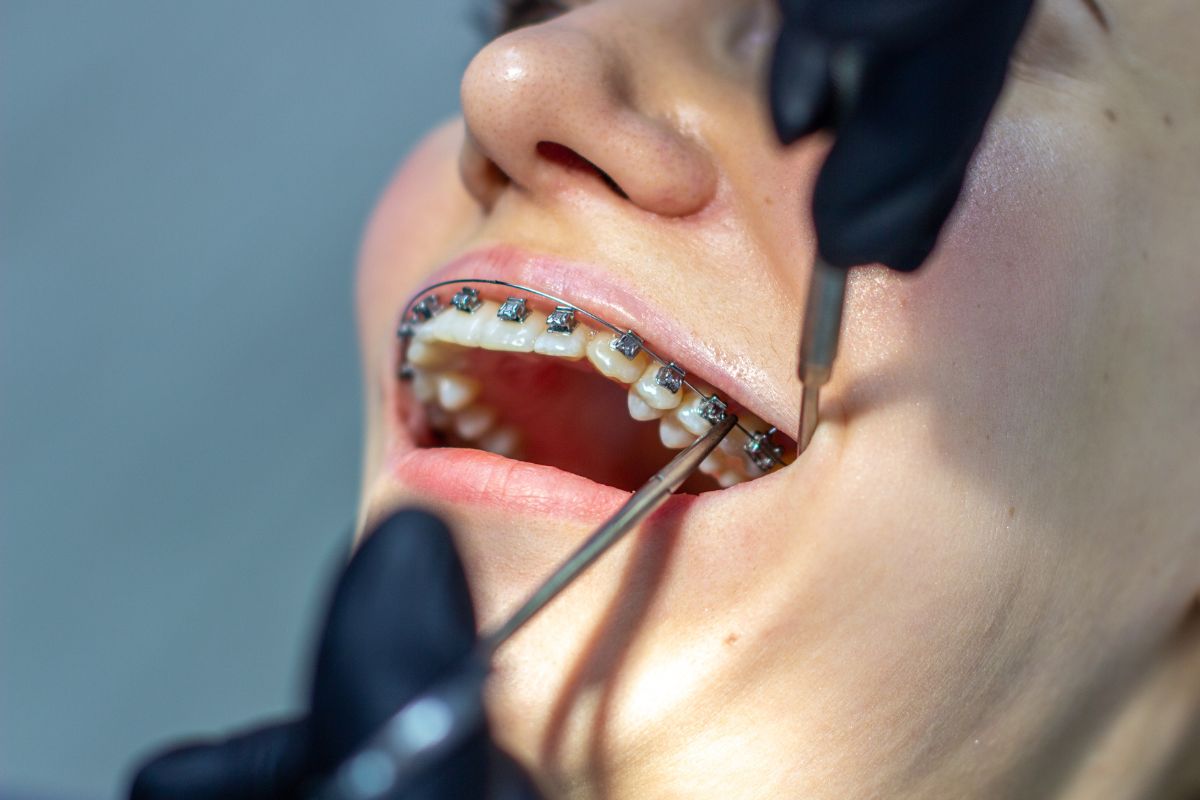
Dental braces are fixed appliances bonded to teeth and connected with wires that apply consistent pressure to guide tooth movement. Modern orthodontic braces are highly precise and effective for a wide range of alignment and bite issues.
Metal braces, including advanced metal orthodontic braces, remain the most commonly used option for complex cases. They work continuously and don’t rely on patient removal or reinsertion, which can be an advantage in certain treatments. Regardless of the system used, it’s important to understand that orthodontic timelines vary based on biology and case complexity—not just the appliance itself.
Treatment Timeline: Braces vs. Invisalign
Average Duration for Traditional Braces
For most patients, traditional braces typically require 18 to 24 months, though more complex bite corrections may take longer. Treatments involving significant rotations, jaw alignment, or spacing often benefit from orthodontic treatment braces because they offer full control over tooth movement. In these cases, braces provide steady, predictable progress without depending on daily patient compliance.
Average Duration for Invisalign
Invisalign treatment often ranges from 12 to 18 months, especially for mild to moderate alignment concerns. However, the success of braces vs. invisalign comparisons largely hinges on compliance. Aligners must be worn 20–22 hours per day; inconsistent wear can significantly extend treatment time.
What Affects Treatment Time Most?
Several factors influence how long orthodontic care takes:
- Severity of misalignment: Advanced bite issues often require fixed systems like metal tooth braces
- Age: Younger patients may respond faster due to ongoing jaw growth.
- Compliance: Missed appointments or poor aligner wear slow progress.
- Case complexity: Jaw discrepancies or severe crowding often respond better to fixed appliances.
Braces vs Invisalign: Who Finishes Faster?
When comparing dental braces vs. invisalign, Invisalign often finishes sooner for straightforward cosmetic alignment. However, braces may be the more efficient—and sometimes faster—choice for complex orthodontic corrections. The decision between braces or invisalign should always balance speed, effectiveness, and long-term stability rather than aesthetics alone.
Metal Braces vs. Invisalign: Pros & Cons
| Feature | Metal Braces vs | Invisalign |
|---|---|---|
| Visibility | Visible | Nearly invisible |
| Treatment Time | Often longer | Often shorter (mild/moderate cases) |
| Compliance | Always in place | Must be worn correctly |
| Best For | Complex issues | Mild/moderate cases |
Fixed systems, such as orthodontic metal braces, excel where precision and control are required, while aligners offer flexibility for suitable cases.
Key Takeaway
So, do braces take longer than Invisalign? The honest answer is: sometimes. Invisalign can be faster for simpler cases, while traditional braces remain the gold standard for complex orthodontic needs. Choosing between dental braces, aligners, or advanced fixed systems should always be based on professional evaluation—not assumptions about speed alone.
If you’re considering treatment in Albuquerque, consult with ABQ Orthodontics to receive a personalized assessment and a clear timeline tailored to your smile goals. Schedule a consultation today to determine the most effective path forward for your orthodontic care.
FAQs
Q. Do braces always take longer than Invisalign?
A: No. Treatment length depends on case complexity and patient compliance.
Q. Can Invisalign handle severe cases?
A: Some severe cases can be treated, but fixed appliances are often more effective.
Q. Does compliance really change the timeline?
A: Yes. Poor aligner wear can significantly delay results.
Q. Is Invisalign faster than traditional braces?
A: Yes—but it depends. Invisalign is often faster for mild to moderate cases with excellent wear compliance (20–22 hours/day), while traditional braces can be faster and more effective for complex corrections due to greater control. Treatment time varies by case complexity, patient discipline, and orthodontist expertise.
Q. Do braces take longer than Invisalign?
A: Invisalign can be quicker for mild to moderate concerns, while braces are often the better choice for complex cases, even if treatment takes longer—because they deliver more precise and reliable results.


New Patients and Emergency Appointments Welcome
Albuquerque East Office
(505) 458-0132
Albuquerque West Office
(505) 451-7349