

How Pediatric Orthodontics Can Prevent Future Dental Issues?

Hey there, parents! Ever wonder how those adorable little smiles can stay healthy and bright as your kids grow? You’re probably thinking about brushing and flossing, right? Crucial! But did you know that early attention to jaw alignment and tooth development – that’s where pediatric orthodontics comes in – can play a huge role in preventing bigger dental headaches down the road? Let’s dive into how this proactive approach can set your child up for a lifetime of confident smiles.
Laying the Foundation for a Healthy Bite
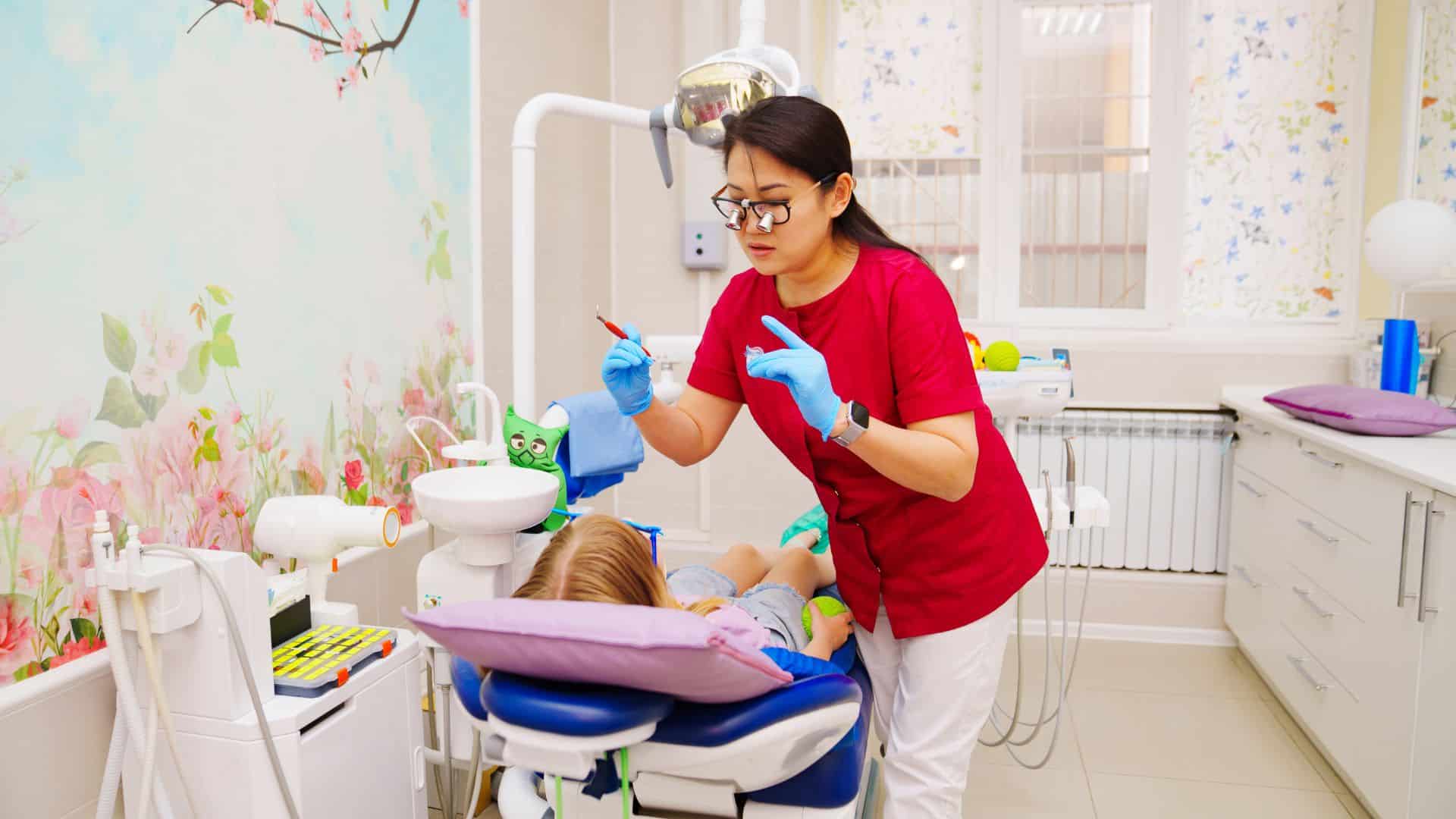
Think of your child’s early years as the construction phase for their oral health. Just like a sturdy foundation prevents a building from having structural issues, proper jaw and tooth development in childhood can prevent a host of problems later on. The American Association of Orthodontists (AAO) recommends that children have their first orthodontic evaluation by the age of 7. Why so early? By this age, enough permanent teeth have emerged to allow an orthodontist to identify subtle issues with jaw growth and emerging tooth alignment.
Preventing Crowding and Spacing Issues
One of the primary goals of early orthodontic intervention is to guide the proper eruption of permanent teeth. When baby teeth are lost prematurely due to decay or injury, the adjacent teeth can drift into the space, leading to crowding when the permanent teeth try to come in. According to the National Institute of Dental and Craniofacial Research, malocclusion, which includes crowding and spacing problems, affects a significant portion of children and adolescents in the United States. Early orthodontic treatment, such as space maintainers, can hold that space open, allowing the permanent tooth to erupt in its correct position, potentially avoiding the need for more extensive treatment later.
Conversely, excessive spacing between teeth can also be addressed early. Sometimes, this is due to habits like thumb-sucking, which can push teeth outward. Early intervention can help break these habits and guide the teeth into a more favorable alignment.
Addressing Jaw Growth Discrepancies
Did you know that a misaligned bite (malocclusion) isn’t just about crooked teeth? It can also involve discrepancies in the growth of the upper and lower jaws. For instance, an overbite (where the upper jaw protrudes significantly over the lower jaw) or an underbite (where the lower jaw protrudes beyond the upper jaw) can lead to problems with chewing, speaking, and even facial aesthetics as the child grows. Pediatric orthodontics can utilize appliances like expanders to widen the upper jaw, creating more space for erupting teeth and correcting crossbites (where the upper teeth bite inside the lower teeth). The AAO states that early treatment can often achieve results that are not possible once facial growth is complete.
Reducing the Risk of Dental Trauma and TMJ Issues
Protruding front teeth are more susceptible to injury during falls or sports activities. Early orthodontic treatment can help bring these teeth into a more protected position, reducing the risk of fractures or avulsions (teeth being knocked out). Furthermore, a misaligned bite can put undue stress on the temporomandibular joints (TMJ), which connect the jaw to the skull. Over time, this can lead to TMJ disorders, characterized by jaw pain, clicking, and difficulty opening and closing the mouth. By correcting bite issues early, pediatric orthodontics can potentially minimize the risk of developing these painful and debilitating conditions.
Boosting Confidence and Self-Esteem
While the functional benefits of pediatric orthodontics are paramount, the impact on a child’s self-esteem shouldn’t be overlooked. Studies have shown that children and adolescents with noticeable dental irregularities may experience teasing or feel self-conscious about their smiles. Addressing these issues early can have a positive impact on their confidence and social interactions during crucial developmental years. A healthy, well-aligned smile can contribute significantly to a child’s overall well-being.
Investing in a Lifetime of Healthy Smiles
Pediatric orthodontics isn’t just about straightening teeth; it’s about taking a proactive approach to your child’s oral health. By addressing potential issues early, you can often prevent more complex and costly treatments down the line. Think of it as an investment in a lifetime of healthy, functional, and confident smiles. So, if your child is approaching the age of 7, scheduling an orthodontic evaluation could be one of the most beneficial steps you take for their long-term dental health.


New Patients and Emergency Appointments Welcome
Albuquerque East Office
(505) 458-0132
Albuquerque West Office
(505) 451-7349