

Why Baby Teeth Matter For Orthodontic Treatment?

Hey there, parents! Ever wondered about those tiny little teeth that eventually fall out? You might think they’re just a fleeting phase, but guess what? Those pearly whites play a surprisingly significant role in something you might be thinking about down the road: orthodontics! It’s not just about the grown-up smile; the journey to straight teeth often begins way before the last baby tooth wiggles its way out. Let’s dive into why these seemingly temporary teeth are quite the VIPs in the world of orthodontics.
Laying the Foundation: Baby Teeth as Space Maintainers
Imagine a construction site where the initial groundwork is crucial for the skyscraper that will eventually stand tall. Baby teeth are like the groundwork for your child’s future smile. They act as natural space maintainers for the permanent teeth, waiting patiently beneath the gums. Each baby tooth holds a specific spot, ensuring that when it’s time for the permanent tooth to erupt, it has enough room to come in correctly.
What happens when a baby tooth is lost too early due to decay or injury? Well, the neighboring teeth can start to drift into that space. According to the American Academy of Pediatric Dentistry (AAPD), premature loss of primary teeth is a significant factor contributing to future orthodontic problems. Studies have shown that children who lose a primary molar more than a year before its natural exfoliation time have a 67% higher chance of needing orthodontic treatment later in life due to crowding and misalignment (Source: Journal of the American Dental Association).
Guiding the Way: Baby Teeth Influence Permanent Tooth Eruption
Beyond just holding space, baby teeth also guide the eruption of their permanent successors. The roots of baby teeth essentially pave the way for the permanent teeth to emerge in the correct position. Think of it as a natural GPS for your child’s adult smile.
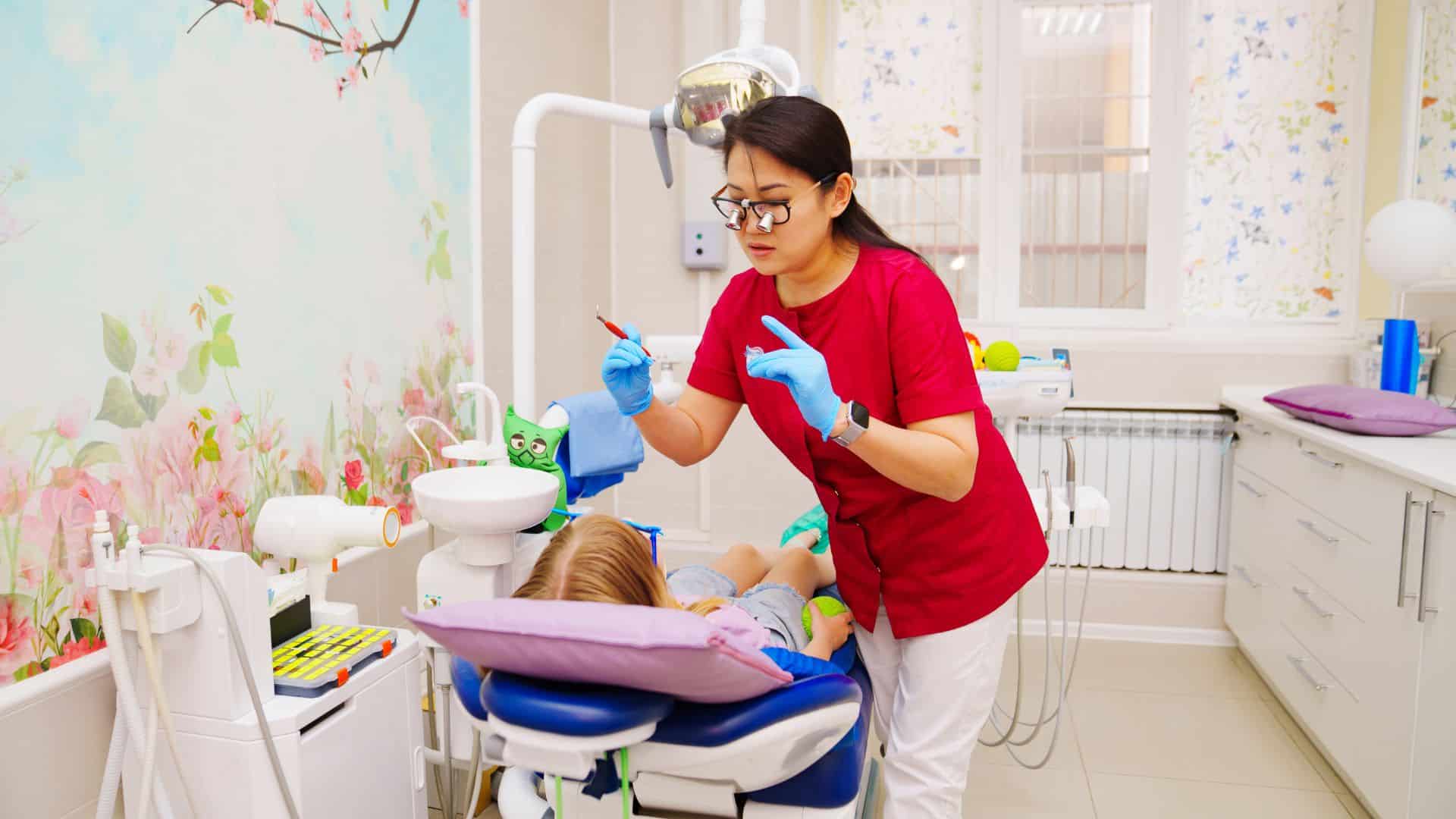
When baby teeth are misaligned or erupt abnormally, it can sometimes indicate potential issues with the underlying permanent teeth. For instance, a severely crowded set of baby teeth might suggest a higher likelihood of crowding in the permanent teeth. Early identification of such issues allows orthodontists to intervene proactively. The American Association of Orthodontists (AAO) recommends that children have their first orthodontic evaluation by the age of 7. This is because, by this age, enough permanent teeth have usually erupted to allow an orthodontist to identify potential problems related to jaw growth and emerging teeth, often hinted at by the alignment of the baby teeth.
Jaw Development: Baby Teeth Play a Role
Healthy baby teeth are essential for proper chewing and eating, which in turn stimulates the growth and development of the jawbones. Adequate jaw development is crucial for accommodating all the permanent teeth correctly. If a child experiences significant tooth decay or early loss of multiple baby teeth, their chewing efficiency can be compromised, potentially affecting jaw growth.
Research published in the Angle Orthodontist suggests a correlation between the early loss of multiple primary teeth and the development of skeletal malocclusions (misalignment of the jaws). While genetics plays a significant role in jaw development, the presence and health of baby teeth contribute to a favorable environment for proper growth.
Early Intervention: Addressing Issues Promptly
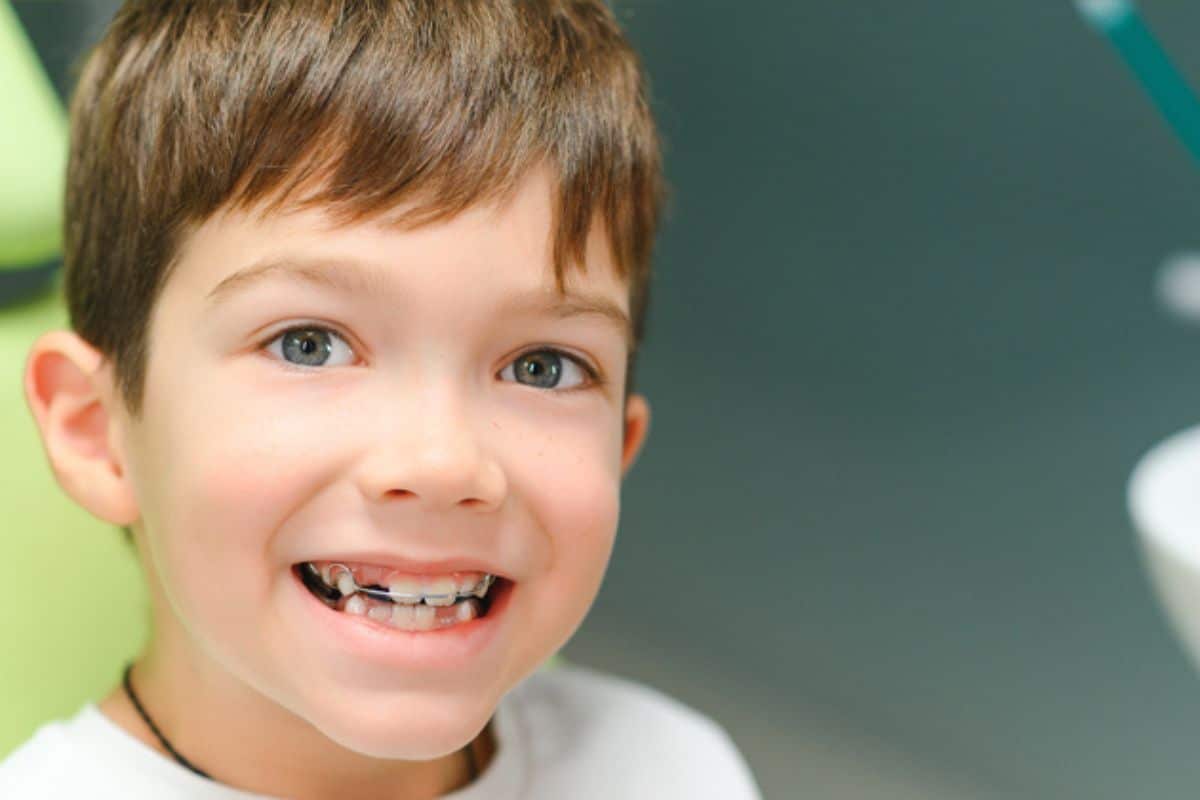
Sometimes, orthodontic issues can be identified and even addressed while a child still has their baby teeth. This is known as interceptive orthodontics or Phase I treatment. According to the AAO, early treatment can address problems like crossbites, severe crowding, or harmful oral habits (like thumb sucking) that can impact the developing permanent teeth.
While not every child with baby teeth issues will need Phase I treatment, the information gleaned from observing their primary dentition can be invaluable for planning future orthodontic care, if necessary. A study in the American Journal of Orthodontics and Dentofacial Orthopedics found that early intervention in specific cases can reduce the complexity and duration of comprehensive orthodontic treatment later on.
In Conclusion, Cherish Those Baby Teeth!
So, the next time your little one flashes their adorable, albeit sometimes gappy, smile, remember that those baby teeth are doing more than just looking cute. They are vital players in setting the stage for a healthy and well-aligned permanent smile. Taking good care of those primary teeth through proper brushing, flossing, and regular dental check-ups is an investment in your child’s future orthodontic health. It’s a small effort with potentially big rewards down the line!

New Patients and Emergency Appointments Welcome
Albuquerque East Office
(505) 458-0132
Albuquerque West Office
(505) 451-7349