

Signs You Need Orthodontic Treatment Now
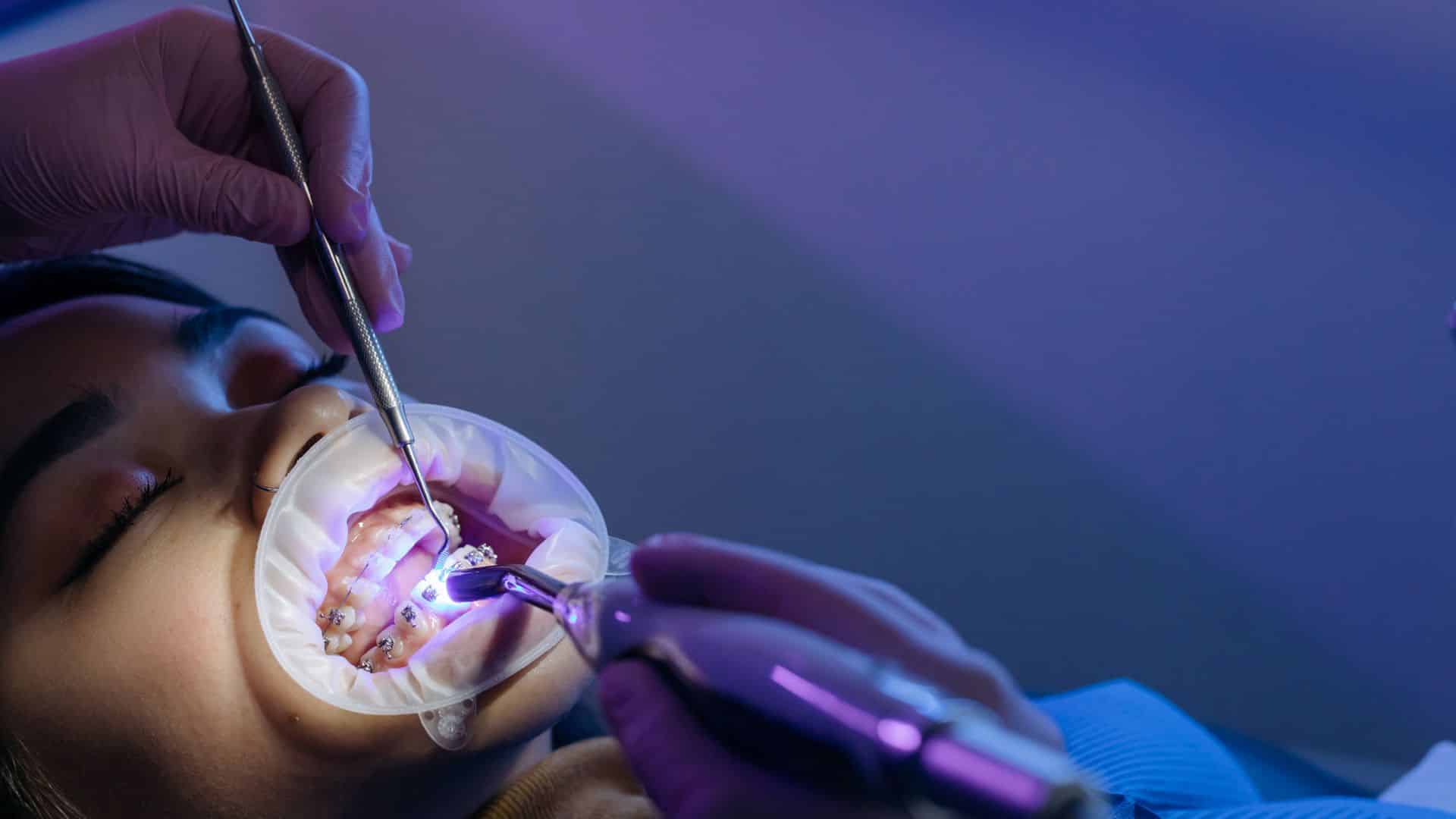
Orthodontic treatment isn’t just about achieving a beautiful smile; it’s also crucial for maintaining your overall oral health. Misaligned teeth and improper bites can lead to issues like tooth decay, gum disease, and even jaw pain. According to the American Association of Orthodontists (AAO), nearly 4 million Americans are currently wearing braces, and about 75% of the population could benefit from orthodontic care. But how do you know if it’s time to seek treatment? Here are some clear signs you shouldn’t ignore.
Why Orthodontic Treatment Matters
Orthodontic care addresses more than just cosmetic concerns. It helps improve oral function, prevents dental problems, and boosts self-esteem. Recognizing the early signs can save you from more complex and costly treatments later.
Crooked or Crowded Teeth
Crowded or crooked teeth are among the most common reasons people seek orthodontic care. When teeth overlap or twist, it becomes challenging to clean them properly, increasing the risk of cavities and gum disease.
- Difficulty Brushing and Flossing: Crowded teeth create tight spaces that are nearly impossible to clean thoroughly. According to the CDC, 47% of adults aged 30 and older have some form of periodontal disease, often exacerbated by poor oral hygiene.
- Wear and Tear: Misaligned teeth can cause uneven wear on the enamel, leading to chipping or fractures.
- Speech Issues: Crooked teeth can sometimes interfere with clear speech, making certain sounds harder to articulate.
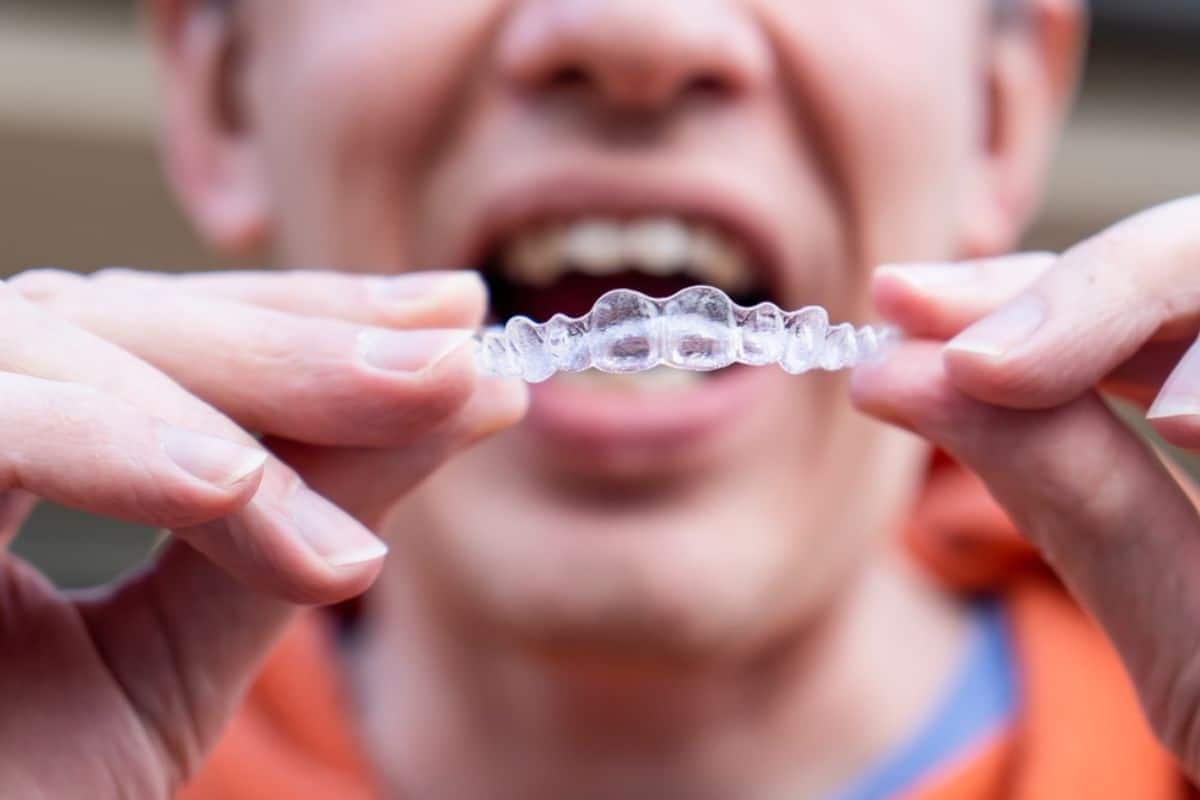
If you’re experiencing any of these issues, an orthodontist can evaluate your case and recommend treatments such as braces or clear aligners.
Bite Problems (Malocclusion)
Bite problems, also known as malocclusions, occur when your upper and lower teeth don’t align properly. Common types include overbites, underbites, and crossbites. Left untreated, these issues can cause more severe complications.
- Jaw Pain and TMJ Disorders: Misaligned bites place stress on your jaw joints, leading to discomfort and even temporomandibular joint (TMJ) disorders.
- Difficulty Chewing: Improper bite alignment can make it hard to chew food effectively, potentially affecting digestion.
- Tooth Grinding (Bruxism): Malocclusions often lead to grinding or clenching, which wears down your teeth and may cause headaches.
Correcting a malocclusion early can help prevent chronic pain and long-term damage.
Gaps Between Teeth
While some people consider gaps between teeth a unique aesthetic feature, large spaces can lead to dental health issues.
- Food Trapping: Gaps create spaces where food particles can easily get stuck, promoting plaque buildup.
- Gum Health Concerns: Open spaces may leave your gums exposed, increasing the risk of gum irritation or disease.
- Bone Loss: Missing teeth or excessive gaps can contribute to jawbone deterioration over time.
Orthodontic treatment can close these gaps, improving both functionality and aesthetics.
Recognizing the signs of needing orthodontic treatment is the first step toward better oral health and a confident smile. Whether you’re dealing with crooked teeth, bite problems, or gaps, consulting an orthodontist can set you on the right path. Remember, orthodontic issues don’t just resolve themselves—they require timely intervention.
According to the AAO, individuals of all ages can benefit from orthodontic care, with about 25% of patients being adults. Don’t wait until small issues turn into major problems. Schedule a consultation with your orthodontist today and take control of your oral health.


New Patients and Emergency Appointments Welcome
Albuquerque East Office
(505) 458-0132
Albuquerque West Office
(505) 451-7349