

Does My Child Need Braces or Invisalign? Tips From A Pediatric Orthodontist

Hey there, amazing parents! Ever find yourself staring at your child’s smile, wondering if those adorable little quirks are just that – adorable – or something that might need a little extra help down the road? You’re not alone! As a pediatric orthodontist, I get asked this question all the time. In fact, according to the American Association of Orthodontists (AAO), about 75% of children could benefit from orthodontic treatment. That’s a significant number!
So, how do you know if your child falls into that majority? It’s a big decision, and you’re likely weighing the options: traditional metal braces versus the sleeker, almost invisible Invisalign. Let’s dive into some helpful tips and shed light on when and why your child might need orthodontic intervention.
Early Signs: When to Schedule That First Orthodontic Visit
According to the American Association of Orthodontists (AAO) recommends that children should have their first orthodontic evaluation by the age of seven. Why so early? Well, at this age, enough permanent teeth have emerged to allow an orthodontist to effectively evaluate the developing bite and identify potential issues early on. While treatment might not start immediately, early detection can help prevent more complex problems later.
Keep an eye out for these potential red flags:
- Early or late loss of baby teeth: This can disrupt the natural eruption of permanent teeth.
- Difficulty chewing or biting: Misaligned teeth can make these everyday tasks challenging.
- Mouth breathing: This can sometimes be linked to narrow upper jaws and airway issues.
- Thumb sucking or pacifier use beyond age 3: These habits can impact jaw development and tooth alignment.
- Speech difficulties: Sometimes, misaligned teeth can contribute to certain speech impediments.
- Shifting of the jaw or making noises: This could indicate a jaw joint problem.
- Biting the cheek or roof of the mouth: This often happens when teeth are misaligned.
- Teeth that meet abnormally or not at all: Obvious gaps, crowding, or an overbite/underbite are clear indicators.
It’s important to remember that not all of these signs automatically mean your child needs braces or Invisalign. However, seeing a pediatric orthodontist for an evaluation provides a professional assessment and peace of mind.
Braces vs. Invisalign: Understanding the Options
Once it’s determined that orthodontic treatment is necessary, the next question is often about the best approach. Both traditional braces and Invisalign Teen are effective ways to straighten teeth and correct bite issues, but they have their advantages.
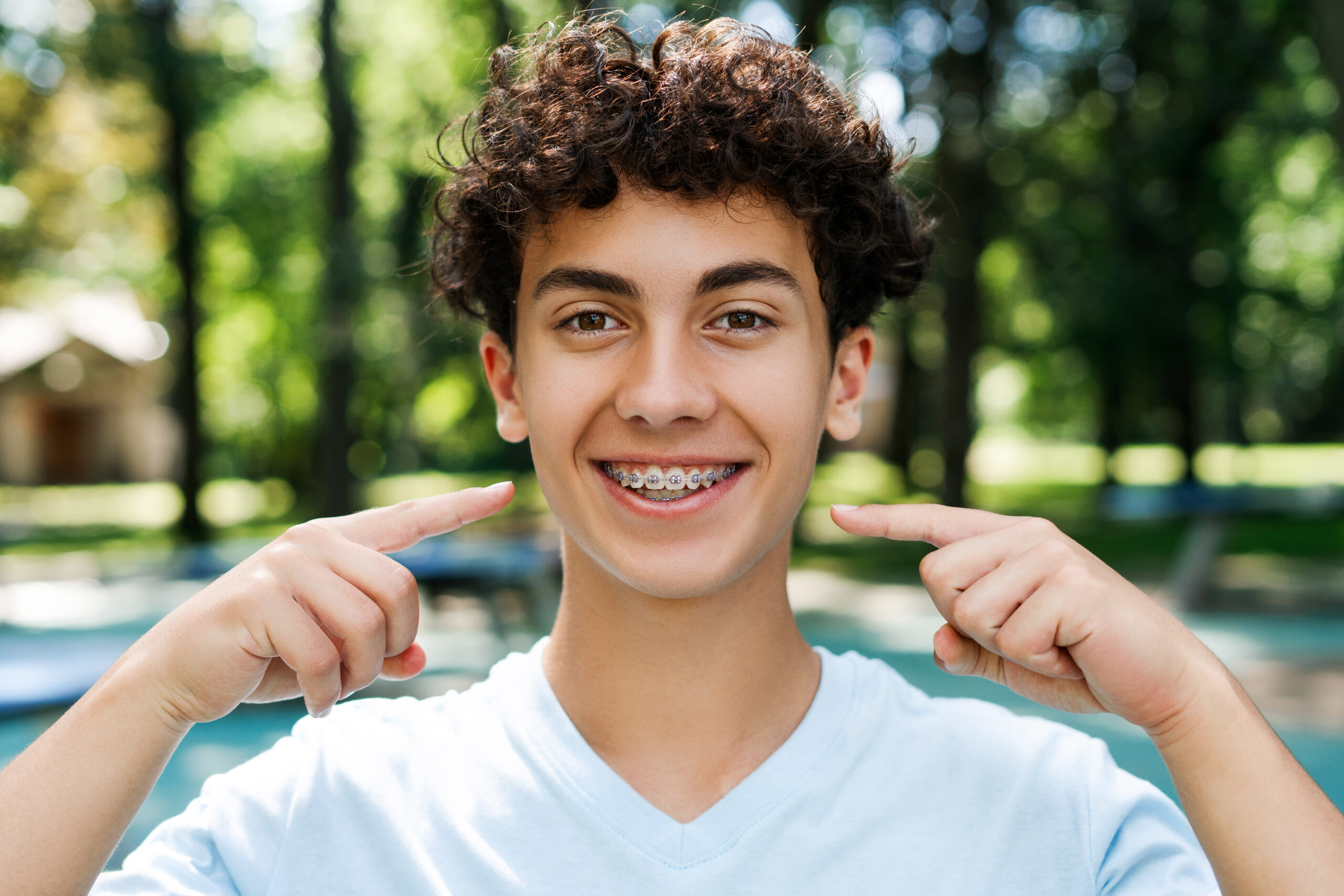
Traditional Metal Braces
- Tried and True: Braces have been around for decades and are effective for even the most complex cases.
- Cost-Effective: Generally, braces tend to be more affordable than Invisalign.
- Fixed Appliance: Once they’re on, they’re on, which means compliance isn’t an issue. This is particularly beneficial for younger children who might not be as diligent with removable aligners.
- Durability: Braces can withstand the wear and tear of active kids.
Invisalign Teen
- Aesthetics: The clear aligners are much less noticeable than metal braces, a big plus for many teenagers. According to a study published in the Journal of Orthodontics and Dentofacial Orthopedics, over 70% of teens reported feeling more self-conscious wearing traditional braces compared to clear aligners.
- Removability: This allows for easier eating, brushing, and flossing.
- Comfort: While there’s an initial adjustment period, many find Invisalign aligners to be more comfortable than metal brackets.
- Fewer Emergency Visits: No broken wires or loose brackets means fewer unexpected trips to the orthodontist.
The Pediatric Orthodontist’s Perspective
As a pediatric orthodontist, my recommendation often depends on several factors, including:
- The complexity of the case: For severe malocclusions, traditional braces might still be the most efficient option.
- The child’s age and maturity level: Compliance is crucial with Invisalign. Teenagers who are responsible and motivated are better candidates.
- Parental involvement: Supporting your child throughout the treatment process, regardless of the chosen method, is essential for success.
- Lifestyle: For very active children involved in contact sports, braces might require extra precautions.
Ultimately, the best way to determine if your child needs braces or Invisalign is to schedule a consultation with a pediatric orthodontist in Albuquerque. We can conduct a thorough examination, discuss your concerns, and outline the most suitable treatment plan for your child’s unique smile. Remember, investing in your child’s smile is an investment in their confidence and long-term oral health. Don’t hesitate to reach out – we’re here to help!


New Patients and Emergency Appointments Welcome
Albuquerque East Office
(505) 458-0132
Albuquerque West Office
(505) 451-7349