

Why Your Teeth Feel Loose During Orthodontic Treatment and Why It’s Normal
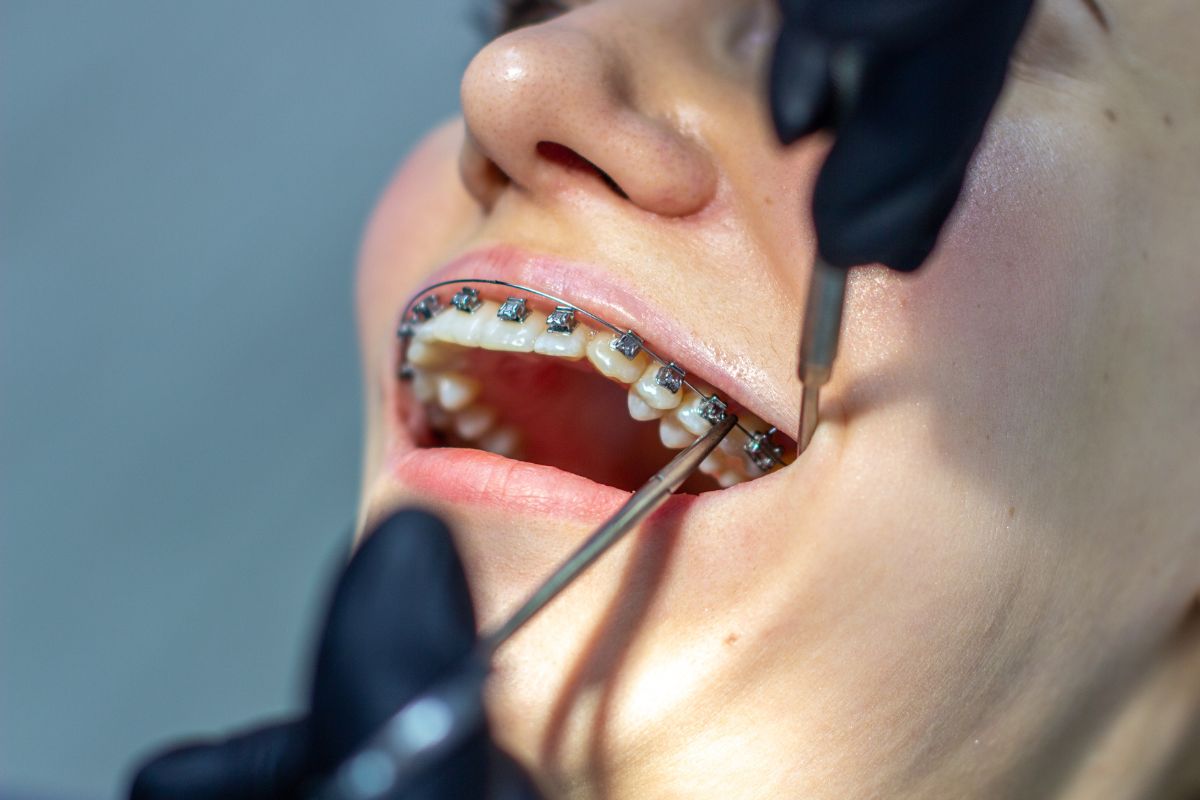
It often starts with a small, unsettling sensation. While eating or brushing, a tooth feels slightly loose. For many patients undergoing orthodontic treatment, this moment can trigger immediate concern.
Is something wrong?
Are the teeth getting damaged?
Could they fall out?
These questions are completely understandable. Patients who begin treatment with dental braces, including traditional metal braces, are rarely prepared for this feeling. It can be surprising, especially if it happens soon after an adjustment.
The important thing to know is this. Mild tooth looseness during treatment is expected. It is part of how teeth move into better alignment. When guided properly by an experienced orthodontist, this process is safe, controlled, and temporary.
Is Tooth Looseness Normal?
Yes, slight tooth mobility during orthodontics is normal.
Teeth need to loosen slightly in order to move into their new positions. This does not mean the teeth are being damaged. It means the treatment is working as intended.
Patients searching for an orthodontist near me often ask about this concern. The reassurance is simple. Controlled movement requires temporary flexibility.
Why Teeth Feel Loose During Treatment
Teeth are not fixed directly into the jawbone. They are supported by a structure called the periodontal ligament. This ligament acts like a cushion, allowing slight movement under pressure.
When orthodontic braces, such as metal braces or traditional braces, apply force:
- The ligament is compressed on one side
- The bone begins to remodel
- The tooth gradually shifts position
During this process, the tooth may feel slightly loose. This is not a sign of instability. It is a sign that the tooth is responding to treatment.
Whether using tooth-brace systems or traditional metal braces, this response is expected.
The Science Behind Tooth Movement
Orthodontic movement is a biological process.
When force is applied:
- The bone on one side of the tooth breaks down
- Bone on the other side rebuilds
- The tooth moves gradually through the bone
This process is known as bone remodeling.
Because the bone is temporarily changing, the tooth may feel less firm than usual. Over time, as the bone stabilizes, the tooth becomes secure again.
A skilled orthodontist carefully controls this process to ensure safe and predictable results.
When Tooth Mobility Is Expected
Certain stages of treatment may make tooth looseness more noticeable.
This includes:
- After adjustments to metal teeth braces
- When switching wires in orthodontic braces
- During active alignment phases
- As crowded teeth begin to shift
These changes indicate progress. The teeth are moving into better positions.
Patients undergoing traditional metal braces often notice this sensation more during active treatment phases.
When You Should Contact Your Orthodontist
While mild looseness is normal, there are situations where professional evaluation is recommended.
You should contact your orthodontist near me if you experience:
- Excessive or severe mobility
- Persistent or sharp pain
- Swelling or signs of infection
- Sudden changes in bite that feel unusual
These symptoms are not typical and should be evaluated promptly.
A qualified orthodontist will assess whether any adjustments are needed.
Do Braces Cause Permanent Looseness?
This is one of the most common concerns.
The answer is no. Properly managed orthodontic treatment does not cause permanent looseness.
The looseness experienced during treatment is temporary. Once the teeth reach their final position:
- Bone rebuilds around the roots
- The periodontal ligament stabilizes
- Teeth become firm again
Retention plays an important role in maintaining this stability. Wearing retainers as directed helps ensure that teeth remain in place after treatment.
Will Your Teeth Become Stable Again?
Yes, stability returns once treatment is complete.
After alignment:
- Bone fully supports the teeth
- The surrounding structures strengthen
- Teeth settle into their new positions
Retention is the final phase of orthodontics and is essential for long-term success.
Patients who follow their retention plan typically experience strong, stable results.
What You Should Do During This Phase
If your teeth feel loose during treatment, the best approach is to stay consistent and follow professional guidance.
Continue Wearing Your Braces or Appliances
Do not stop treatment or attempt to adjust anything yourself.
Maintain Excellent Oral Hygiene
Healthy gums support stable tooth movement.
Eat Carefully
Avoid very hard or sticky foods that could place extra pressure on moving teeth.
Attend Regular Appointments
Your orthodontist monitors progress and ensures that movement remains controlled.
Patients who follow these steps often find that the sensation of looseness becomes less concerning over time.
What to Avoid
There are certain actions that should be avoided during this stage.
- Do not panic or assume something is wrong
- Do not stop wearing appliances or skip adjustments
- Do not apply pressure to test tooth movement
- Do not ignore unusual symptoms if they arise
Consistency and trust in the treatment plan are essential.
Why This Process Is Necessary
To achieve proper alignment, teeth must move through bone in a controlled manner.
This requires:
- Temporary flexibility
- Gradual adjustment
- Careful monitoring
Without this process, teeth would remain in their original positions.
Whether using traditional metal or other orthodontic braces, this biological response is part of achieving a healthy, functional bite.
Common Patient Concerns
“Will my teeth fall out?”
No. Teeth are supported by bone and ligaments. The movement is controlled and safe.
“Is this damaging my teeth?”
No. When managed by a qualified orthodontist, the process is designed to protect both teeth and supporting structures.
“Should I stop treatment if my teeth feel loose?”
No. Stopping treatment can interfere with progress and lead to complications.
“Is this feeling permanent?”
No. Stability returns once treatment is complete and retention begins.
The Role of Your Orthodontist
An orthodontist plays a critical role in ensuring that every stage of treatment is safe and effective.
Their responsibilities include:
- Monitoring tooth movement
- Adjusting appliances as needed
- Ensuring proper force is applied
- Addressing any concerns during treatment
Patients who stay connected with their provider and follow recommendations typically achieve smooth, successful outcomes.
Stay Confident in Your Treatment
Feeling slight looseness in your teeth during treatment can be unsettling, but it is a normal part of the process. It means that your teeth are moving into better alignment.
Orthodontic care is designed to be safe, controlled, and predictable. With proper guidance, the temporary changes you feel today lead to long-term improvements in function and appearance.
At ABQ Orthodontics, every patient receives personalized care that prioritizes both comfort and results. From traditional metal braces to advanced orthodontic treatment options, each plan is designed to ensure safe movement and lasting stability.
If you have concerns about your treatment or are searching for a trusted orthodontist near me, now is the right time to connect with a team that understands your needs.
Schedule your consultation with ABQ Orthodontics today and move forward with confidence, clarity, and expert care.
Related Articles



New Patients and Emergency Appointments Welcome
Albuquerque East Office
(505) 458-0132
Albuquerque West Office
(505) 451-7349