

Can You Surgically Fix Crooked Teeth?
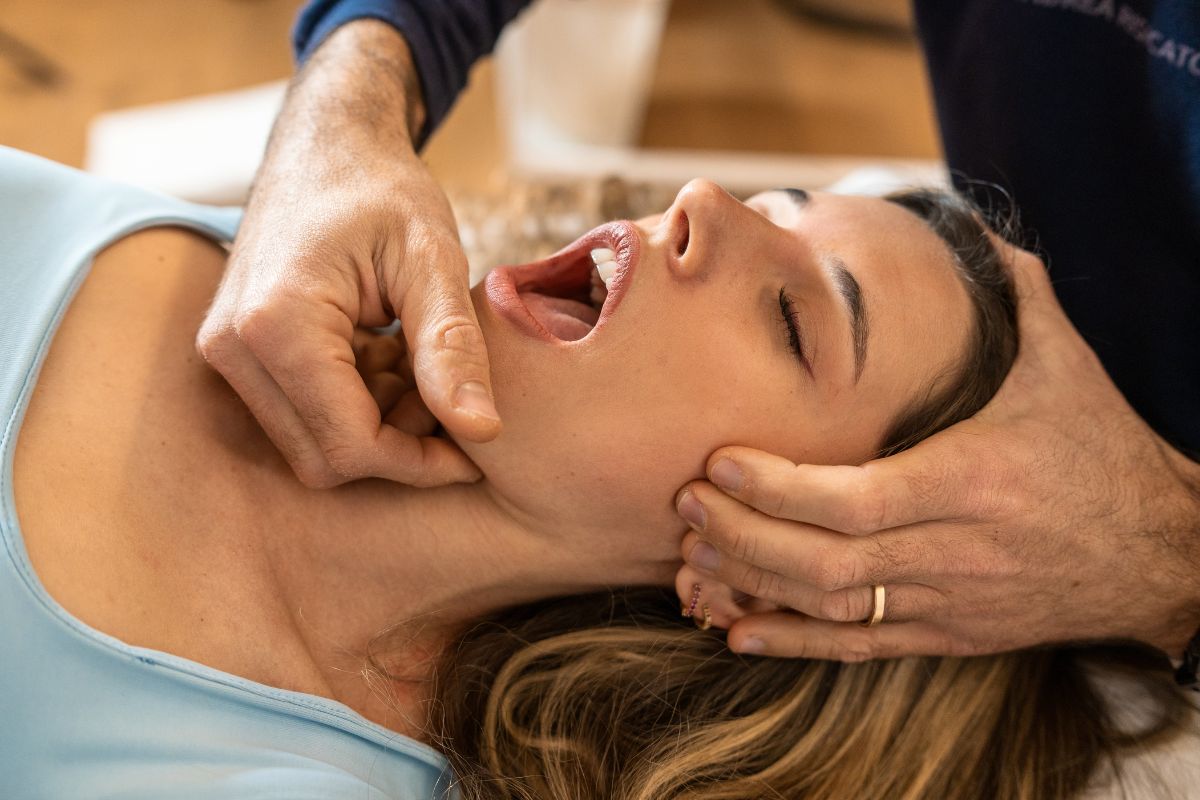
Can you surgically fix crooked teeth? Yes — but only in specific cases involving jaw misalignment, severe malocclusion, or structural issues. Many people struggle with dental misalignment, commonly referred to as crooked teeth or irregular teeth, which can affect both appearance and function. These concerns might include a crooked molar tooth, bite imbalance, chewing difficulty, or even speech issues.
This blog will help you understand:
- Why do teeth become crooked
- The difference between dental vs skeletal problems
- When non-surgical options are enough
- When orthognathic surgery or corrective jaw surgery might be necessary
- What risks and benefits to expect
- How to decide between braces/aligners and surgery
ABQ Orthodontics provides insight supported by current dental best practices.
Understanding Causes: Dental vs Skeletal Problems
Not all crooked or deformed teeth originate from the same cause. Some issues involve only the teeth, while others involve the jawbones.
Dental Misalignment (Teeth-Only Problems)
This includes irregular teeth, crowding, gaps, or rotations where the teeth themselves are out of place. Braces or aligners typically correct these.
Skeletal Misalignment (Jaw Problems)
This is when the upper or lower jaw is too far forward, too far back, too narrow, or asymmetric. These situations often create more complex malocclusions involving teeth and jaw alignment.
When only the teeth are misaligned, orthodontics works exceptionally well. But when skeletal problems exist, surgical orthodontic treatment or jaw correction surgery may be required because braces alone cannot reposition bone.
What Are the Non-Surgical Options for Crooked Teeth?
Most people with crooked or deformed teeth can be treated without surgery.
1. Traditional Braces
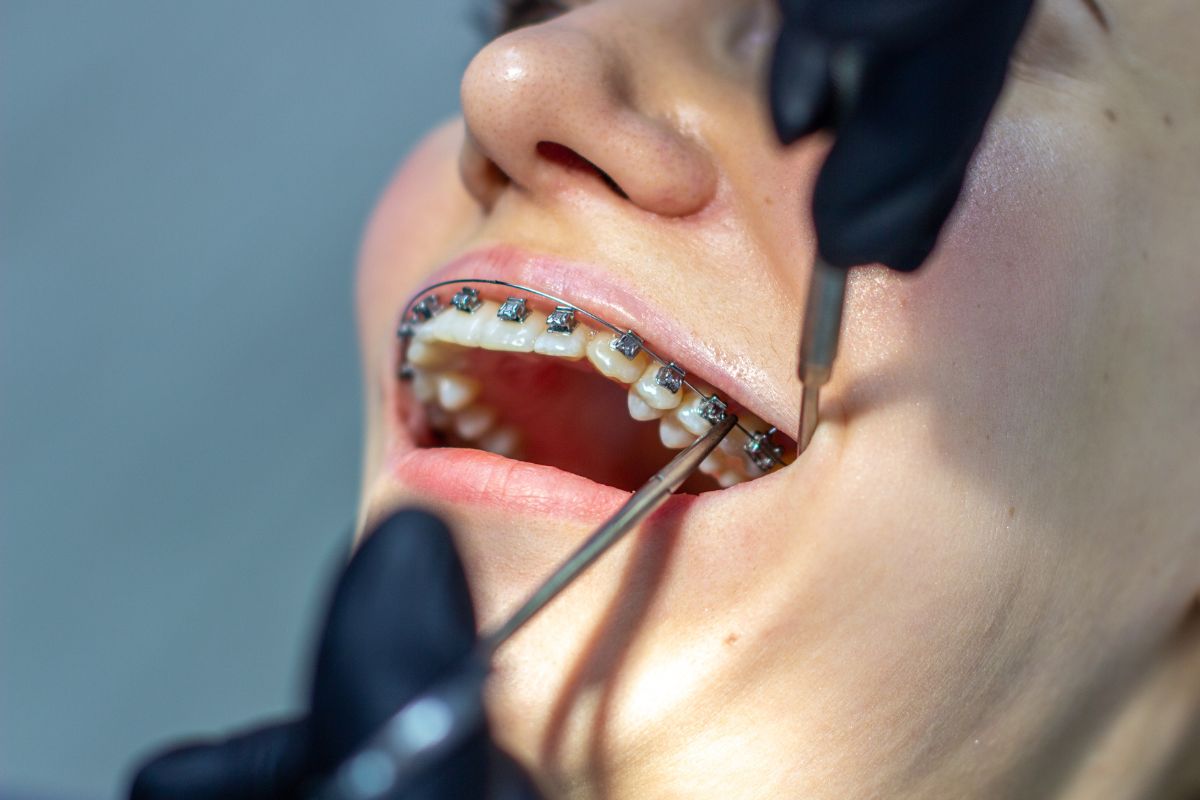
Metal or ceramic braces gradually shift teeth into better alignment, effective for mild to severe cases.
2. Clear Aligners
Brands like Invisalign use a series of transparent trays to straighten teeth. Ideal for mild to moderate crooked teeth or aesthetic realignment.
3. Cosmetic Options
For small aesthetic concerns:
- Veneers
- Bonding
- Minor reshaping
These do not correct the bite, but they improve appearance for minor cases of crooked molar tooth or small cosmetic flaws.
These non-invasive treatments are preferable when skeletal issues are not present.
When Might Surgery Be Necessary? — Understanding Surgical Orthodontics
When the jaw structure is misaligned, braces cannot fix the underlying cause. This is when surgical orthodontics or orthodontic surgeries become necessary.
Orthognathic Surgery (Corrective Jaw Surgery)
Also called orthognathic jaw surgery, jaw surgery orthognathic, or orthodontist surgery, this procedure repositions the jaw bones to improve function and facial balance.
When Surgery Is Considered:
- Severe underbite or overbite
- Crossbite affecting chewing
- Facial asymmetry
- Open bite
- Breathing issues (airway obstruction)
- Speech impairment caused by skeletal misalignment
A surgical orthodontist works alongside the orthodontist to plan the procedure.
Treatment Process
- Pre-surgical orthodontics (12–18 months)
- Corrective jaw surgery performed by an oral surgeon
- Post-surgical orthodontics to refine tooth alignment
This approach ensures both the jaws and teeth align correctly for long-term function.
Risks, Considerations, and Who Should Decide
Risks of Jaw Surgery:
- Bleeding
- Infection
- Temporary or permanent nerve changes
- Swelling
- Relapse risk
- Need for additional dental treatment
Because the procedure carries significant considerations, evaluation must include:
- An orthodontist
- A surgical orthodontist
- 3D imaging, X-rays, scans
- Bite simulations
Realistic expectations are essential. Correcting skeletal issues improves function and symmetry but may still require cosmetic dental enhancements afterward.
When to Choose Braces/Aligners vs. Surgery
Use this quick guide:
Choose Braces/Aligners If:
- Teeth are crooked, but jaws are well aligned
- You mainly want cosmetic improvement
- Your bite is functional
- You have mild to moderate crooked teeth
Consider Orthognathic or Jaw Surgery If:
- Your jaw structure is misaligned
- You have chewing or speech problems
- Your smile shows significant asymmetry
- You experience functional discomfort
- You have severe irregular teeth tied to jaw positioning
When searching for surgical orthodontics near me, ensure the provider offers comprehensive diagnostics and collaborative surgeon-orthodontist planning.
What to Expect (Timeline, Recovery, Long-Term)
Timeline:
- 12–18 months of orthodontics before surgery
- Surgery in a hospital or surgical center
- A healing period of weeks to months
- Continued orthodontics for refinement
Recovery Includes:
- Soft diet
- Swelling management
- Follow-up adjustments
Long-Term Benefits:
- Balanced facial structure
- Healthier bite
- Reduced wear on teeth
- Improved chewing and speech
For many, the stability of jaw surgery orthognathic treatments makes them life-changing.
Conclusion — Should You Choose Surgery?
Yes, you can surgically fix crooked teeth — but only when the crookedness is tied to jaw or skeletal misalignment. For most people, braces, aligners, or cosmetic dental treatments are sufficient. When jaw structure is involved, orthognathic surgery or jaw correction surgery becomes the recommended, long-term solution.
To find out which option is right for you, schedule a consultation with ABQ Orthodontics. Our team will evaluate your bite, alignment, and jaw structure to create a personalized plan.
Ready for your expert evaluation? Contact ABQ Orthodontics today to get started.
FAQs
Q. Is jaw surgery painful?
A: Most patients report pressure and soreness, not sharp pain. During surgery, you are fully anesthetized. Afterward, discomfort is manageable with prescribed medication. The first week typically has the most swelling and tightness, but pain generally decreases significantly after a few days.
Q. How long does recovery take?
A: Initial recovery usually takes 2–6 weeks, depending on the procedure. Swelling decreases gradually, and patients can return to light activities within 1–2 weeks. Full healing of the jawbone can take 3–6 months, though most people resume normal routines much earlier. Follow-up orthodontic treatment continues during this time.
Q. Will I still need braces after surgery?
A: Yes, in most cases. Orthodontics before and after surgery ensures that the teeth fit together properly once the jaws are repositioned. Post-surgical braces or aligners refine the final alignment and ensure proper bite stability.
Q. Can clear aligners fix crooked teeth if I have jaw issues?
A: Clear aligners work well for teeth-only misalignment, but they cannot correct jawbone problems. If your crooked teeth are caused by skeletal issues, aligners alone won’t fix the bite. You’ll need a professional evaluation to determine whether aligners can be part of the treatment plan alongside surgical correction.


New Patients and Emergency Appointments Welcome
Albuquerque East Office
(505) 458-0132
Albuquerque West Office
(505) 451-7349