

Do I Qualify for Jaw Surgery? Key Criteria & What It Means
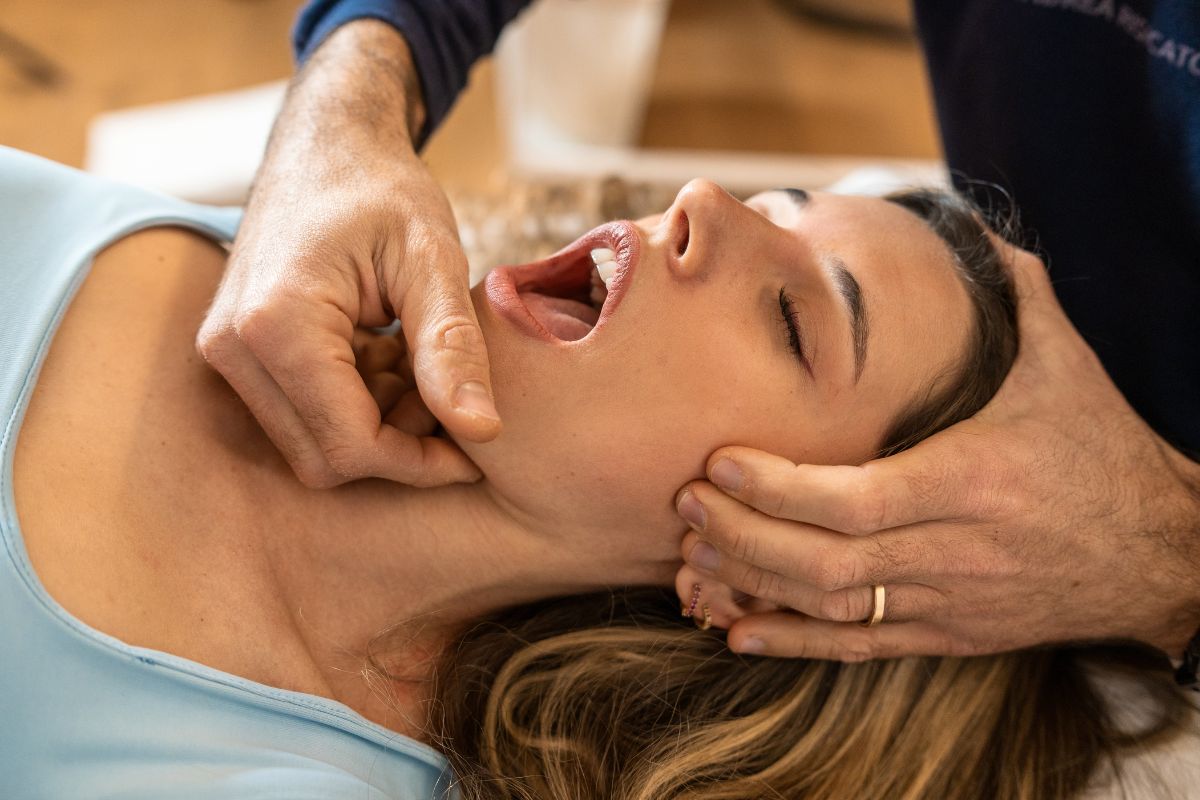
“Do I qualify for jaw surgery?” — It’s one of the most common questions people ask when dealing with persistent bite problems, jaw pain, or facial imbalance. The short answer: you may qualify if your jaw alignment affects your bite, speech, breathing, or overall function — not just your appearance.
In this guide, we’ll break down exactly what corrective jaw surgery is, the structural and functional criteria specialists use to determine eligibility, and how the process works locally in Albuquerque. You’ll also learn the benefits, risks, and next steps if you think you might be a candidate.
At ABQ Orthodontics, our team works closely with oral and maxillofacial surgeons to evaluate complex jaw alignment cases. This article explains what you need to know before considering orthognathic jaw surgery or other forms of jaw correction surgery.
What Jaw Surgery Aims to Correct
Corrective jaw surgery (also known as orthognathic jaw surgery or jaw corrective surgery) is designed to reposition the upper, lower, or both jaws so that they align properly. This type of dental jaw surgery is often needed when orthodontic treatment alone cannot correct the issue.
Structural Concerns
Structural problems that may require jaw correction surgery include:
- Misaligned upper and lower jaws
- Severe overbite, underbite, open bite, or crossbite
- Facial asymmetry or uneven jaw growth
- Jaw size discrepancies (too small, too large, or uneven growth patterns)
Functional Issues
Patients who qualify often experience:
- Difficulty chewing or swallowing
- Speech impairments
- TMJ pain or joint clicking
- Airway or breathing issues, including sleep apnea
While jaw reconstruction surgery can enhance facial balance and profile aesthetics, most insurance providers require that functional problems exist to approve it as medically necessary. Cosmetic concerns alone typically do not qualify for coverage.
How Do You Know if You’re Eligible For Jaw Surgery?
Structural (Skeletal) Criteria
The American Association of Oral and Maxillofacial Surgeons (AAOMS) notes that significant skeletal discrepancies — often two or more standard deviations from normal — may indicate the need for jaw surgery types like upper or lower jaw surgery.
Common structural discrepancies include:
- Horizontal (anteroposterior) discrepancies
- Vertical or open bite differences
- Transverse (width) issues or asymmetry
Functional Criteria
According to payer guidelines (e.g., UHC Provider policy), jaw corrective surgery may be considered when patients experience:
- Chewing or swallowing difficulty
- Chronic TMJ dysfunction or pain
- Speech or airway problems
- Obstructive sleep apnea related to jaw structure
Combined Criteria
When both skeletal and functional problems are present, the case for jaw correction surgery becomes stronger. Most patients undergo surgical orthodontics beforehand to align the teeth in preparation for surgery.
Age & Growth Considerations
Growth must be complete before proceeding with under jaw surgery, making adults the typical candidates. In teens, evaluation may begin earlier, but surgical orthodontics near me is usually coordinated once jaw growth stabilizes.
Cosmetic-Only Exclusion
Cosmetic-only cases—those without chewing, speech, or airway issues—usually don’t meet insurance or medical necessity criteria.
How Qualification Is Evaluated
In Albuquerque, clinics such as ABQ Orthodontics often work with local oral surgeons who specialize in jaw reconstruction surgery and surgical orthodontics.
The evaluation process generally includes:
- Consultation: Discussion of symptoms, goals, and medical history.
- Diagnostics: X-rays, CT scans, and 3D imaging to assess skeletal alignment.
- Orthodontic Evaluation: Determining whether pre-surgical braces or aligners are required.
- Treatment Planning: Coordinating between the orthodontist and oral surgeon for a precise surgical plan.
Why This Matters – Benefits of Qualifying & Risks if You Delay
Benefits of Corrective Jaw Surgery:
- Better bite alignment and chewing efficiency
- Improved speech clarity
- Relief from chronic jaw pain or TMJ stress
- Easier breathing and reduced sleep apnea symptoms
- Enhanced facial symmetry and long-term stability
Potential Risks and Considerations
Like any major procedure, jaw corrective surgery involves anesthesia, a recovery period, and potential side effects such as swelling, discomfort, or temporary numbness. Delaying necessary treatment may lead to worsening bite problems or TMJ pain over time.
What to Do Next & Questions to Ask
If you suspect you might need jaw correction surgery or orthognathic jaw surgery, start by scheduling a consultation with an orthodontist and oral surgeon.
Questions to Ask During Evaluation:
- Does my jaw alignment cause chewing, speech, or breathing issues?
- What imaging or tests will confirm my diagnosis?
- Which jaw surgery types are suitable for my condition?
- What orthodontic preparation is needed before dental jaw surgery?
- How long will recovery take, and what are the expected outcomes?
Conclusion
Qualifying for corrective jaw surgery depends on both structural alignment and functional need, not cosmetic goals alone. If you’ve been told your bite or jaw position can’t be corrected with braces alone, a full evaluation could determine whether jaw reconstruction surgery or lower jaw surgery is right for you.
At ABQ Orthodontics, we’re here to guide you through every step — from diagnosis to post-surgical recovery.
Schedule your consultation today to find out whether jaw corrective surgery is the right solution for your smile and health.
FAQs
Q. What makes jaw surgery medically necessary?
A: Jaw surgery becomes medically necessary when orthodontics can’t fix major issues like trouble chewing, speaking, breathing, facial asymmetry, or jaw pain.
Q. Is jaw surgery very risky?
A: Jaw surgery is generally safe when performed by an experienced surgeon with orthodontic support, though risks like bleeding or infection can occur.
Q. When is it too late to get jaw surgery?
A: There’s no strict age limit for jaw surgery—overall health matters most. Even after 40, patients can achieve successful, lasting results.


New Patients and Emergency Appointments Welcome
Albuquerque East Office
(505) 458-0132
Albuquerque West Office
(505) 451-7349