

Invisalign vs Traditional Braces: Which is an Ideal Choice for Your Kid?

Choosing between dental braces vs Invisalign is one of the most common orthodontic questions parents face. Both braces and Invisalign aligners are proven to straighten teeth effectively—but which is right for your child or teen? In this guide, we’ll help you make an informed decision with a clear, evidence-based comparison of Invisalign vs traditional braces for kids. We’ll explain each treatment’s pros and cons, lifestyle differences, and when one option might be better.
At ABQ Orthodontics in Albuquerque, our board-certified orthodontists specialize in both orthodontic braces and Invisalign treatment, ensuring your child receives personalized, expert care.
Invisalign vs. Braces: How Each Treatment Works
Traditional Braces
Metal braces (or metal tooth braces) use brackets and wires to gradually move teeth into proper alignment. These tooth braces are ideal for correcting complex bite and alignment issues.
Invisalign Aligners
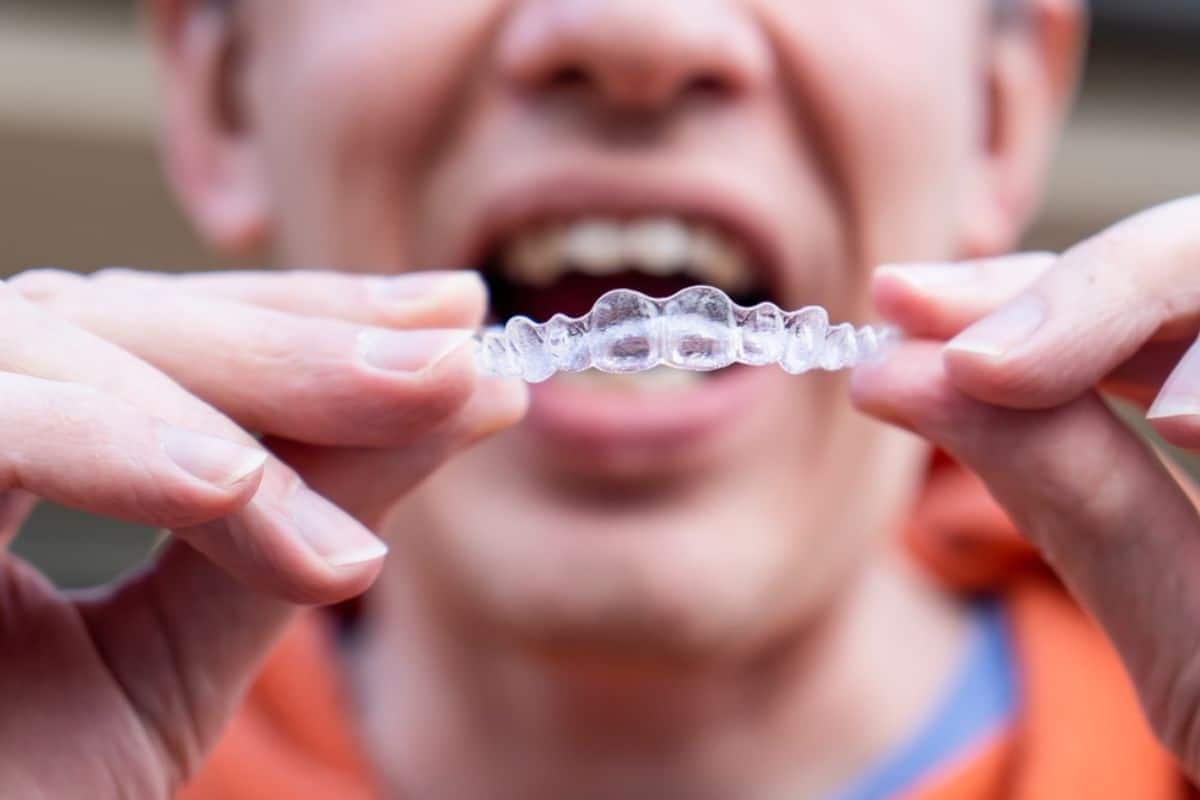
Invisalign aligners for teeth are clear, removable trays that gently shift teeth over time. Because Invisalign on teeth is nearly invisible, it’s a popular choice for image-conscious teens who prefer a more discreet orthodontic braces alternative.
Invisalign vs. Braces: Pros and Cons
Invisalign Treatment Pros:
- Virtually invisible on teeth
- Easy to remove for eating and brushing
- Comfortable, smooth aligners
Invisalign Treatment Cons:
- Requires strict wear time (20–22 hours daily)
- May not be suitable for complex cases
Braces Pros:
- Effective for all bite and tooth alignment issues
- No risk of losing or forgetting aligners
Braces Cons:
- More visible, especially metal braces
- Harder to clean around brackets and wires
Invisalign vs. Braces for Teenagers
For teens balancing school, sports, and social life, Invisalign vs braces for teenagers often come down to lifestyle. Invisalign aligners offer flexibility and confidence in photos, but require responsibility to wear them consistently. On the other hand, dental braces (including traditional brace systems) stay in place 24/7, making them ideal for teens who might forget to reinsert aligners.
Treatment Duration: What to Expect
Treatment length for braces vs Invisalign varies by case. Invisalign aligners for teeth typically take 12–18 months for mild to moderate misalignment, while metal braces may require 18–24 months for more complex corrections. Regular checkups with your orthodontist ensure steady progress and timely adjustments.
Appearance, Comfort & Lifestyle
Invisalign aligners are smooth and clear, making them more comfortable and discreet than metal teeth braces. They’re ideal for kids or teens who prefer a low-profile treatment. Meanwhile, orthodontic braces (especially traditional brace options) are fixed and dependable—great for families seeking a “set it and forget it” solution.
When to Choose What
Choose Invisalign Treatment If:
- Your child’s orthodontic needs are moderate.
- They can commit to wearing aligners as instructed.
- Appearance and flexibility matter.
Choose Braces If:
- Your child needs major bite correction.
- You want a worry-free option that doesn’t rely on compliance.
- You prefer the long-established reliability of dental braces vs. Invisalign alternatives.
Expert Guidance & Local Trust
At ABQ Orthodontics, we’re proud to help Albuquerque families make the right choice between Invisalign braces vs. braces with expert evaluation and honest guidance. Our experienced orthodontists stay current with American Association of Orthodontists (AAO) standards, ensuring your child’s care follows the highest clinical and ethical benchmarks.
Ready to Begin Your Child’s Smile Journey?
Whether you’re considering braces or Invisalign treatment, ABQ Orthodontics in Albuquerque provides customized, compassionate care to create beautiful, healthy smiles. Schedule a consultation today to learn whether Invisalign aligners or orthodontic braces are the best fit for your child’s teeth and lifestyle.
FAQs
Q. What’s Better For Kids, Braces or Invisalign?
A: Both straighten teeth effectively. Invisalign is discreet, removable, and best for mild to moderate cases. Braces work well for complex issues and don’t rely on compliance. Costs and treatment time can differ.
Q. Why is Invisalign Not Recommended For Children?
A: Younger children may not qualify, and since aligners are removable, treatment success depends on the child’s responsibility to wear them consistently.
Q. Which is Faster Braces or Invisalign?
A: Invisalign can be quicker for mild to moderate cases (around 12–18 months), while braces may take 18–24 months. For complex issues, braces are often more effective.


New Patients and Emergency Appointments Welcome
Albuquerque East Office
(505) 458-0132
Albuquerque West Office
(505) 451-7349