

How to Know You Might Need Braces: A Complete Guide for All Ages

A confident smile goes beyond appearance; it represents overall health, proper function, and personal confidence. Whether you’re a teenager concerned about misaligned teeth or an adult considering bite correction, identifying the signs whether braces could benefit you is the crucial first step toward lasting oral health.
Traditional orthodontics is not just about aesthetics; it plays a crucial role in preventing serious dental issues and improving overall quality of life. If you’ve been considering braces in Albuquerque, this guide will help you better understand the signs, the process, and how orthodontic care can benefit you.
Why Braces Matter More Than You Think?
Many people link braces with straightening teeth, but the benefits delve deeper. Properly aligned teeth help prevent tooth decay, reduce the risk of gum disease, improve speech, reduce jaw strain, and even boost self-confidence.
Whether you’re 12 or 42, understanding the signs early can prevent complications later. Braces gently guide your teeth and jaw to their ideal position, correcting functional and visual concerns.
Common Signs You Might Need Braces
Not everyone requiring orthodontic appliances has obvious dental problems. Sometimes, the signs are subtle but still significant. If you observe any of the following symptoms, exploring orthodontic treatment options could be a good idea.
1. Crooked or Crowded Teeth
This is the most obvious sign. When there isn’t enough room in the jaw, teeth can overlap, twist, or become misaligned. Not only does this affect your smile, but it also makes cleaning more difficult, leading to plaque buildup and tooth decay.
2. Overbite, Underbite, or Crossbite
If your upper teeth significantly overlap your lower teeth (overbite) or vice versa (underbite), you may risk jaw discomfort, tooth wear, and speech issues. A crossbite occurs when some upper teeth sit inside your lower teeth, often leading to asymmetry and uneven wear.
3. Spacing or Gaps Between Teeth
Gaps may be due to missing teeth, small teeth, or jaw size issues. These spaces can affect your bite and oral health, especially if food gets trapped or your gums are exposed.
4. Difficulty Chewing or Biting
If your teeth don’t come together correctly, you may find it hard to chew your food thoroughly. This can impact digestion and nutrition, not to mention cause discomfort or jaw fatigue.
5. Frequent Jaw Pain or Clicking
Continuous jaw tightness, clicking noises, or discomfort when opening your mouth might be signs of a misaligned bite. Orthodontic treatment with braces can adjust the position of your teeth, helping to reduce stress on the jaw joint and alleviate these issues.
What Causes Orthodontic Issues?
Understanding the root of the problem can help you make more informed decisions. Common causes include:
- Genetics: Often, misaligned teeth or jaw structure runs in the family.
- Tooth loss: Losing baby or adult teeth prematurely can create spacing issues.
- Injury or trauma: Accidents can lead to changes in bite and alignment over time.
What Happens If You Ignore the Signs?
Choosing to delay or ignore orthodontic care can lead to complications down the line. These may include:
- Increased risk of tooth decay and gum disease
- Jaw pain and TMJ disorders
- Worn-down teeth due to uneven pressure
- Speech problems and breathing issues
- Lowered self-esteem or social anxiety
If you’re considering braces in Albuquerque, addressing these issues early can help you avoid costlier and more complex procedures in the future.
Is It Ever Too Late for Braces?
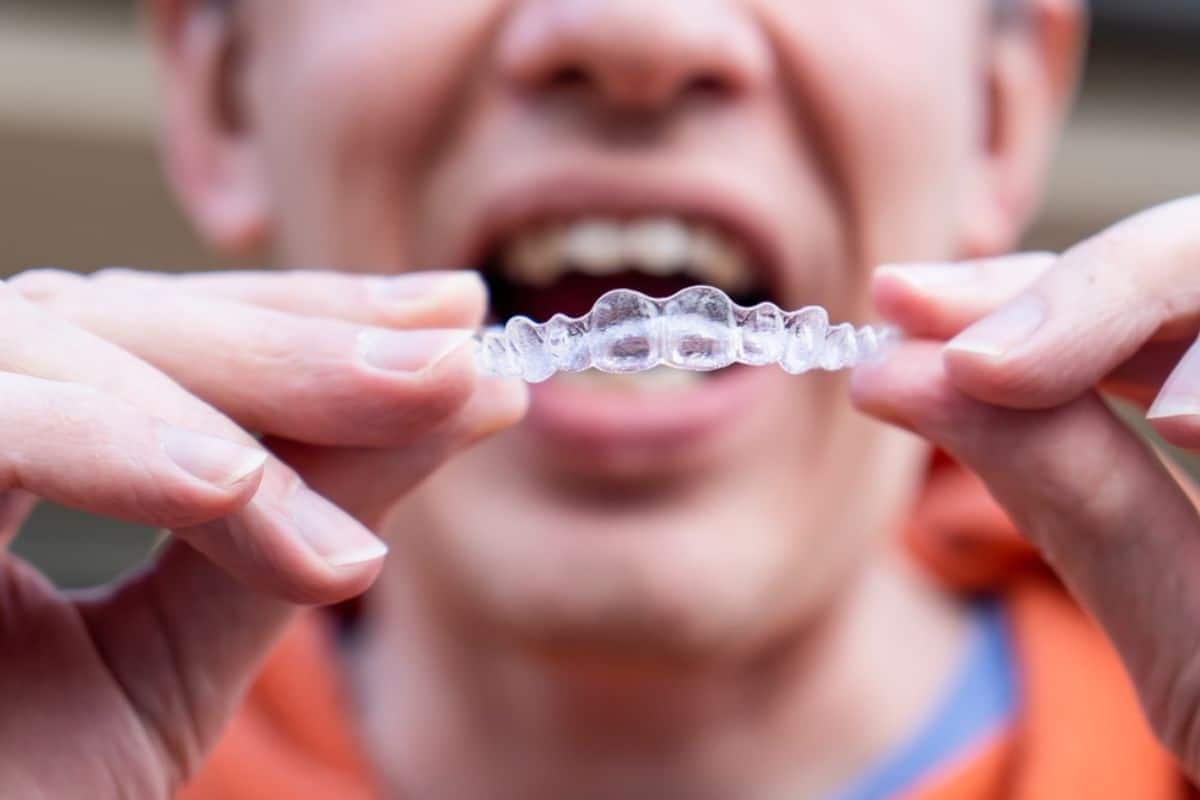
Not. While it’s ideal to address orthodontic issues during the teenage years, many adults today choose to correct their smiles later in life. With modern options like clear aligners and less noticeable braces, you can straighten your teeth with greater comfort and discretion.
If you’ve lived with crowding, gaps, or bite problems for years, now is the perfect time to consult an orthodontic provider and explore your options.
How Braces Can Improve More Than Just Your Smile
- Better Oral Hygiene: Straight teeth are easier to brush and floss, leading to fewer cavities and healthier gums.
- Improved Confidence: A well-aligned smile often brings a noticeable boost in self-esteem.
- Enhanced Function: Eating, speaking, and breathing can become easier and more comfortable.
- Prevention of Future Issues: Braces help avoid the need for more invasive dental work later on.
Tips for Managing Your Oral Health Before and During Treatment
If you suspect you may need braces—or if you’re preparing for orthodontic care—here are a few habits that will set you up for success:
- Brush and floss daily to maintain healthy gums and teeth.
- Avoid hard or sticky foods that damage your teeth or worsen alignment.
- Monitor changes in your bite or how your teeth feel when chewing.
- See a dentist regularly for professional cleanings and early detection of issues.
- Ask questions when exploring options for braces in Albuquerque—understanding your treatment is empowering.
Choosing the Right Provider for Braces
When looking for braces in Albuquerque, choose a provider who listens and offers personalized care. Orthodontic treatment is a journey, and the right team makes it comfortable and rewarding. Select an office with metal or ceramic braces or clear aligners to fit your lifestyle. Braces aren’t just cosmetic—they promote lasting oral health, comfort, and confidence. If you’ve been considering whether braces are the right choice, we invite you to schedule a visit with our orthodontist in Albuquerque. You’ll receive personalized care and thoughtful guidance, all tailored to help you achieve a healthier, more confident smile.


New Patients and Emergency Appointments Welcome
Albuquerque East Office
(505) 458-0132
Albuquerque West Office
(505) 451-7349