

Can My Child Avoid Braces with Early Orthodontic Care?
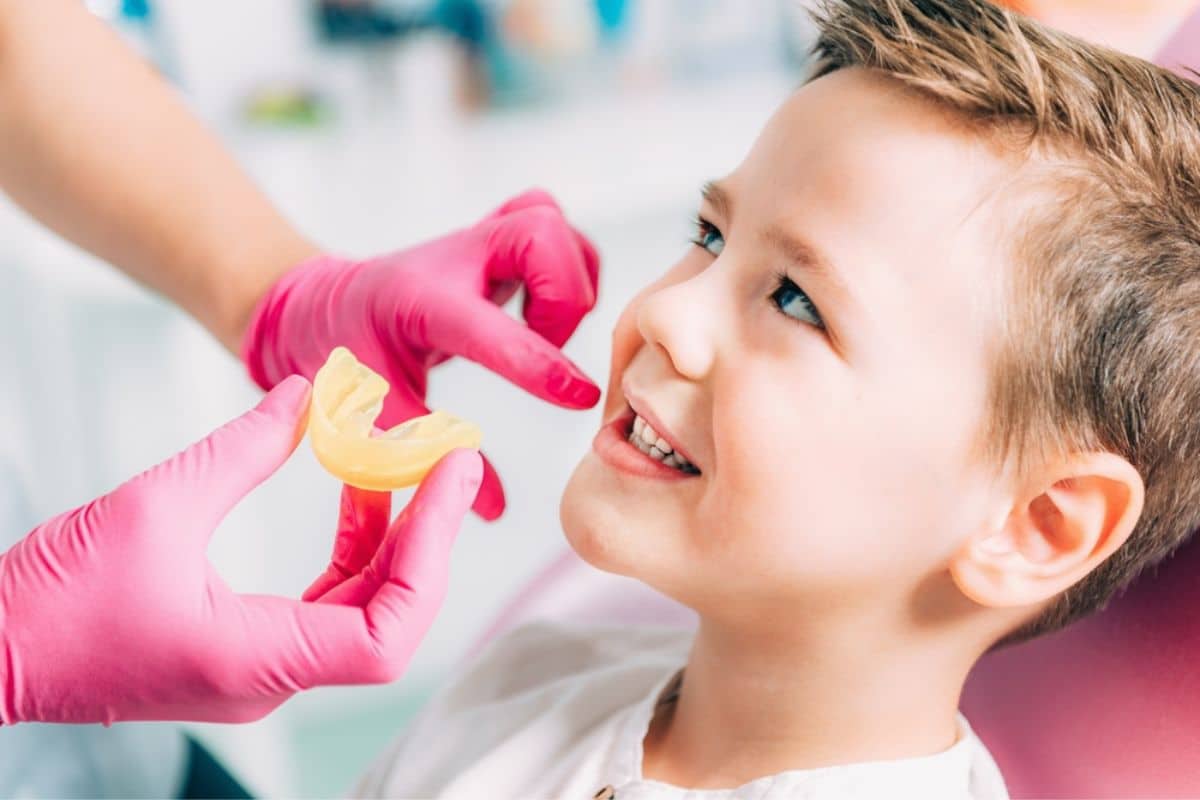
Hey there, parents! Ever gaze at your little one’s adorable smile and then have a fleeting thought about future braces? You’re not alone! Many parents wonder if there’s a way to steer their kids clear of that metal-mouth phase. Well, buckle up because we’re diving into the fascinating world of early orthodontic care and exploring whether it can truly help your child avoid braces down the road. Let’s get started!
Can Early Intervention Sidestep Braces?
The burning question: Can nipping potential orthodontic issues in the bud prevent the need for comprehensive braces later on? The answer, while not a definitive yes for every child, is a promising “often!”
Think of early orthodontic care, also known as Phase I treatment, as planting seeds for a straighter smile. It typically begins when a child still has some primary (baby) teeth and some permanent teeth, generally between the ages of 6 and 10. This is a crucial window because the jaw is still growing and more malleable.
So, what does the data say? According to the American Association of Orthodontists (AAO), early intervention can address issues like crossbites, severe crowding, and harmful oral habits like thumb sucking. The AAO also notes that early treatment can create a more favorable environment for the eruption of permanent teeth, potentially reducing the complexity and duration of future orthodontic treatment, and in some cases, even eliminating the need for full braces.
A study published in the American Journal of Orthodontics and Dentofacial Orthopedics found that early treatment for anterior crossbite (where the upper front teeth bite behind the lower front teeth) significantly reduced the need for more extensive treatment later. About 70% of children who received early intervention for crossbite did not require further comprehensive orthodontic treatment.
How Early Treatment Works Its Magic
Early orthodontic treatment employs various appliances, which are often less extensive than full braces. These might include:
- Space maintainers: These small devices hold the space left by a prematurely lost baby tooth, preventing adjacent teeth from shifting and blocking the eruption of the permanent tooth.
- Palatal expanders: These widen the upper jaw, creating more room for crowded teeth and correcting crossbites.
- Partial braces: These might be placed on only a few teeth to correct specific issues.
- Habit appliances: These help children stop habits like thumb sucking or tongue thrusting, which can negatively impact tooth alignment and jaw development.
The goal of Phase I treatment isn’t usually to achieve a perfectly straight smile. Instead, it focuses on addressing significant problems early to:
- Guide jaw growth: Influencing the development of the upper and lower jaws to create better alignment.
- Correct crossbites: Ensuring the upper teeth bite outside the lower teeth.
- Create space for erupting permanent teeth: Reducing the likelihood of severe crowding.
- Reduce the risk of impacted teeth: Helping permanent teeth erupt in the correct positions.
- Improve aesthetics and self-esteem: Addressing noticeable issues that might affect a child’s confidence.
- Reduce the risk of dental trauma: Correcting protruding teeth that are more susceptible to injury.
The Long-Term Benefits: Beyond Avoiding Braces
Even if your child eventually needs a shorter course of braces after early intervention (Phase II treatment), the benefits of Phase I can be substantial. Early treatment can lead to:
- Shorter overall treatment time: Addressing issues early can simplify and shorten the duration of full braces.
- Less complex treatment: Early intervention can prevent minor problems from becoming major ones, potentially avoiding the need for more invasive procedures like tooth extractions.
- Improved long-term stability: Correcting underlying skeletal issues early can lead to more stable and lasting results.
- Reduced cost in some cases: While not always the case, addressing problems early can sometimes prevent the need for more expensive and lengthy treatment later.
The Takeaway: Early Evaluation is Key
While early orthodontic care can significantly increase the chances of your child avoiding or minimizing the need for full braces, it’s not a guarantee. Every child’s dental development is unique. The best way to determine if early intervention is right for your child is to schedule an evaluation with a qualified orthodontist in Albuquerque around the age of seven.
This early assessment allows the orthodontist to identify any existing or developing issues and discuss potential treatment options. It’s about being proactive and giving your child the best possible foundation for a healthy and beautiful smile. So, take that first step and explore the possibilities – your child’s future smile might thank you for it!


New Patients and Emergency Appointments Welcome
Albuquerque East Office
(505) 458-0132
Albuquerque West Office
(505) 451-7349